

Accessing money and conducting financial transactions have never been simpler, thanks to the widespread availability of internet banking services around the world. You can transfer and receive money, make payments, and do a variety of other financial operations with a click of the mouse or a tap of the phone.
However, this simplicity also increases the risk of losing your money to thieves and the problem of cybercrime. Before online banking became widely used, thieves had to physically visit the bank to take money.
However, due to the availability of online bank accounts, all they need to do to steal your money is have access to your bank account information, even if they are thousands of miles away on another continent. Here is where the VPN program comes in.
This article will discuss what a virtual private network (VPN) is and why it is still one of the best ways to safeguard your financial data and ensure secure banking.
Table of Contents
What is a VPN?
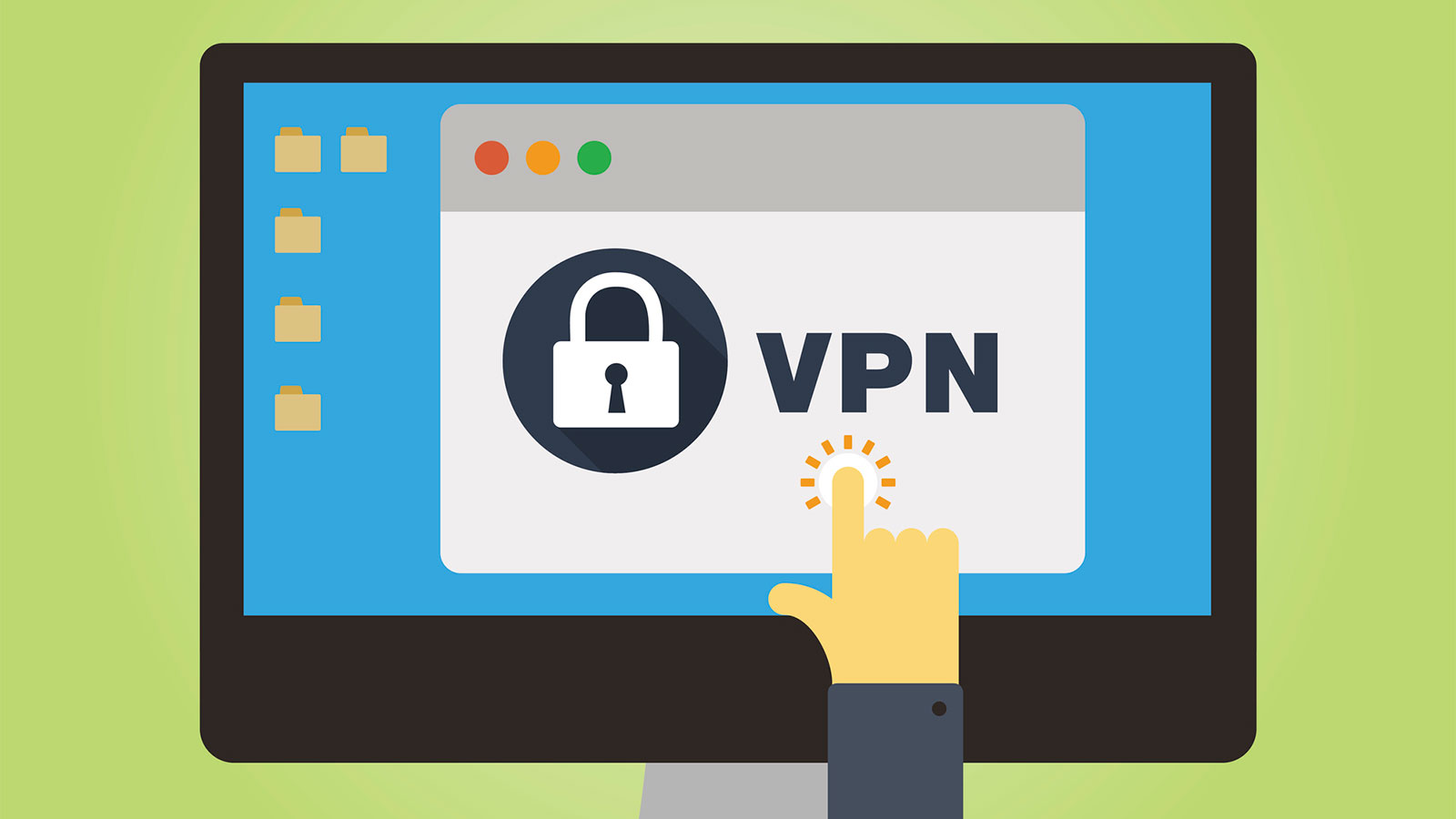
A virtual Private Network is referred to as a VPN. Engaging with public networks on the internet alludes to a system that enables you to build a protective network.
The VPN program encrypts your internet traffic, which also gives you a fake online identity. Therefore, by setting up a private internet connection, third parties and trackers will find it challenging to keep an eye on your online behavior.
Using a VPN for Online Banking
Online banking is defined as accessing your bank and performing financial activities via a device with an internet connection.
However, it leaves you vulnerable to fraudsters who are equipped with cutting-edge technology to track, monitor, and intercept your financial information. You require a trusted method of protecting your online activity.
As we’ve already explained, VPN software provides the security framework for online banking. This is accomplished by encrypting user data and making sure that financial activities are hard to trace. Because it is encrypted, even if cybercriminals gain access to the users’ information, it is no longer useful to them.
Kill Switch
The kill switch disconnects you from the internet when the VPN connection drops. There may occasionally be a network issue that prevents the VPN from functioning for a while. When this occurs, the VPN server’s cover and safety vanish, leaving you open to attack by online criminals.
However, the kill switch feature ensures that you do not continue browsing while the VPN connection is down by turning off your internet connection when it fails.
Many popular VPN programs provide this capability; ProtonVPN is one example. ProtonVPN provides some of the greatest security for online banking and other internet activities with its kill switch feature and other dependable VPN features.
Several Installations
The main purpose of the multiple install feature is to let you utilize the same VPN account across various devices. You receive an account with your login information when you register for VPN software. You can use this account on several devices, including your phone, laptop, or desktop computer, if your VPN program has a multiple in8stals functions.
This means that when you access your bank and conduct transactions online, you are protected regardless of where you are or the device you choose to use. For those who use a variety of internet-enabled devices to access their banks and conduct financial transactions.
Splitting Tunnels
A VPN feature called split tunneling, commonly referred to as the bypasser, enables you to prevent particular programs and services on your device from accessing the VPN. All services and programs that use an internet connection should be protected and encrypted while using VPN software on a device.
It makes sense if you wish to restrict the VPN service to specific programs. For instance, you might prefer that only your bank application utilises the VPN, or you might want to disallow the VPN’s use on your bank application (if your bank does not allow it). Split tunneling is one of the capabilities your VPN software should have if this applies to you.
When Should we Use a VPN for Online Banking?
The following are some scenarios in which it is very crucial to use a VPN to secure your online banking operations.
1. Whenever Utilising Public WiFi
Public WiFi typically doesn’t have encryption. Cybercriminals can access the network and track the files and internet traffic shared by users on public WiFi because there is no encryption or other type of internet security in place.
2. During your Hometime
Your home WiFi is safer and better than public WiFi because it uses encryption to protect it from hackers.
However, this does not guarantee your safety because certain cyberattacks can also target residential WiFi. In addition to these cyberattacks, unauthorized or official third-party entities may monitor and track your online activities.
Using VPN software, you can avoid cyberattacks that could steal your bank account information and other crucial data. Additionally, because the VPN software hides your identity, it is more challenging for other organizations to track and observe your online actions.
3. When Traveling
You might be able to avoid your bank blocking your account or restricting access to your funds by utilizing VPN software while traveling. Many banks have stringent security measures in place to safeguard their customers’ money as a result of the security threats involved with internet banking.
Using a GPS tracker, one security device records your location when you use your bank app. Thanks to this tracker, the bank can identify the nation from which you access the bank app or conduct online banking operations.
The GPS tracker starts to become concerned when you travel and attempt to access your bank online since it notices that you are attempting to access funds from a different country.
Things to Avoid When Using VPN for Online Banking
Even while VPN software is the standard for online banking security, there are still several practices you should avoid. These things consist of;
1. Employing Free VPNs
For several reasons, using a free VPN is not a secure way to access the internet, particularly online banking services. First off, more resources are required for free VPNs to offer proper security and safety for your online activity.
According to a study that looked over 300 free Android VPN apps, 18\% of them do not encrypt data. Therefore, anyone using these free VPN apps is not actually protected, and their banking information is still exposed and open to cyber criminals.
2. Visiting Dubious or Fraudulent Websites
Avoid visiting phoney and dubious websites, even when using a VPN. These websites serve as a front for con artists and online crooks who might request specific financial details.
Even when using VPN software, providing this information puts your bank account and any funds inside of it at risk. This is so that the VPN can’t stop the information from collecting because you gave the information to us yourself.
Naturally, this raises the dilemma of how to identify dubious or fraudulent websites. There is an easy solution. The majority of browsers now come with tools that can identify and report phoney and dubious websites.
Conclusion
Visits to dubious or fake websites. You should refrain from browsing phoney and dubious websites, even when utilizing a VPN. These websites are merely a front for scammers and online crooks who might ask for specific financial information.
Your bank account and any funds stored therein could be compromised if you disclose this information, even if VPN software is being used. Because you voluntarily gave the information, there is no way for the VPN to stop the information from collecting.
The subject of how to identify dubious or fraudulent websites follows naturally from this. Simple is the response. Most browsers now include capabilities to identify and report phoney and dubious websites.
