

Effective management of clients is crucial in running a small-scale business, and maintaining solid relationships with clients is essential. Typically, business proprietors concentrate their resources on the acquisition of new clients. But you don’t have to attract new customers to be able to take on new business.
Continuing work with current clients will keep your project pipeline full and result in client referrals. Once onboarded, it’s simpler for businesses to engage the same talented individuals.
A solid rapport with your customers earns their trust. Moreover, getting them back in touch will save time and money. If clients feel confident that you’re reliable and that you can accomplish the tasks needed for an assignment, they’ll have a greater likelihood to work with you on future projects. Let’s get going.
Table of Contents
What is Client Relationship Management?
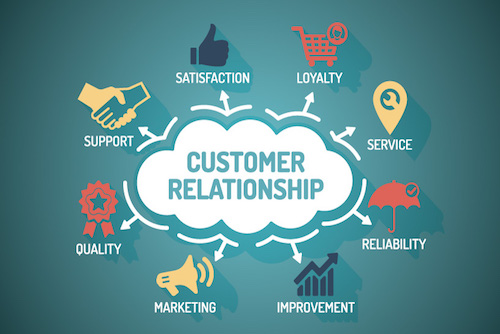
The term “client relationship management” refers to the work of an organization to coordinate its interactions with its clients and potential clients. To leverage your CRM to boost profits, you must incorporate the analysis of data that will help you better understand and improve your relationships with your clients. Let’s have a look.
Why is Client Relationship Management so important?
Client relationship management can help build a brand’s or a company’s reputation. Businesses with client relationship management understand their clients so well that they can understand their thoughts.
They can predict the needs of their clients before they even know their needs, resulting in a lot of delight for customers. Customer relationship management is how companies communicate with their clients. Therefore, it’s an essential collection of speaking and listening abilities.
These methods give companies an individual voice and a keen ear to solve problems and ensure that clients feel respected and valued.
Top 7 Strategies for Better Managing Client Relationships
The idea is that relationships are the foundation of business success, but prioritizing relationships is different. The latter requires lots of work over a long period. However, there’s only a better time to begin than now. Here are seven customer relationship management techniques to take into consideration.
1. Treat Your Client as an Individual
Although your relationship with your customer is formal, showing that you view them as individuals- that is, not just another paycheck- can make a difference.
The degree to which this personal relationship is appropriate depends on your field of work, the type of client you are working with, and your client’s personality. If you know that your client is a parent, you can inquire about how their children are doing.
If you’ve established a more substantial relationship with your clients, doing something more personal, such as sending them an article from the news about their favourite musician, could be appropriate and well-liked.
2. Be Present and Open-Minded
To build lasting and reliable relationships with clients, they need to be confident and trust your expertise to be an authority. This is why it’s essential to be open about your professional views and opinions regarding the project’s best interests.
It’s tempting to appear to be a good person and avoid uncomfortable conflict by telling your client what you believe they’d like to hear or denying your honest opinion on their idea.
However, these strategies can be detrimental and harm your reputation and reduce the likelihood of building a long-lasting relationship. Your clients will appreciate your determination and drive to achieve excellence when you express your opinions sincerely.
3. Use Project Delivery Tools
Organizing project delivery is essential in making a good impression on your clients. Make use of tools that will aid you in delivering your project professionally from beginning to end, including a project proposal or contract or SOW, reports for clients, and a professional invoice. These tools will increase your professionalism and skills in business and provide transparency and tracking of your work. Think about your client and decide the things that are important to them.
It could be as easy as delivering the work with a pleasing design, handing over the materials, providing a thorough demonstration or walkthrough, or even a minor value-adding element that improves the final product.
For loyal clients, expressing gratitude and appreciation following important business milestones or during the holidays could be a surprise pleasure that can help strengthen your professional relationship. Identifying a chance to surpass your expectations by doing something your customers will be grateful for is essential.
4. Ask for Feedback
Requesting feedback lets the client voice their opinion regarding how you provided your services and offer suggestions on improving. This can help you build stronger relationships with your clients and show them that you appreciate their feedback and how highly you value the quality of your service.
Create a survey using an online platform such as qualities, or give them an email or Word Doc questionnaire that lets them respond to specific questions and provide general feedback. When you receive the survey, follow up with an acknowledgment and let them know how much you are grateful for their time completing it.
5. Develop Appreciation
Although establishing boundaries with clients is essential, going beyond and above could benefit your company. Set limits. However, it would help if you were alert for instances when you can take things to the next level.
In business, for a long time, it’s easy to become stuck in the same routines. Consider each client’s needs individually. Do not be afraid to modify your processes. Specific clients might appreciate the ability to interact with them and would like to be included in every phase of your plan. In contrast, others might prefer a written, thorough weekly report of your successes.
Communication is the key to building a trusting relationship and establishing trust with your clients. Talk to them to find out what they value most, and incorporate their needs into your workflow. A little thoughtful listening is an excellent way of creating respect and gratitude.
6. Speak Your Client’s Language
Effective consultants can adjust to the client’s style, formality, manner of speaking and preferred communication method rather than using only the tools they feel at ease.
For instance, the client you are working with may prefer video or text messages instead of email. Certain people want to know factual information, while some are more casual. The key is to be flexible. Don’t enter the conversation with a settings dialogue; plan what you’d like to gain from the exchange.”
Engage with the power of your emotions by understanding how the customer reacts and responds to situations in a particular way. Then, try to adapt your communication and interaction to suit.
7. Communicate Effectively and Consistently
Practical, timely communication is a must. Communicating can get lost in the wayside if everyone is focused on the task at hand. It’s the reason it’s essential to communicate clearly and consistently throughout the project.
Be clear at the start that you’ll work with your client on developing value statements that match their goals for the business and assess the progress made against these Value statements throughout your work. Develops.
Of course, communicating with one client should be limited to a minimum of unjustified and consistent interruptions upon your time or impact your efficiency. But being accessible shows that your client’s requirements and satisfaction are essential to you.
In addition to prompt and complete communication, you could create a positive relationship with your customers by making them feel comfortable and open with you. They must be reassured that their concerns and ideas will be considered seriously.
Conclusion
Achieving a mindset that is focused on the client will take some time. The steps I’ve discussed will help you establish your system of managing your clients.
Whether you manage everything manually to deal with fewer clients or automate the process using software to manage projects or work to concentrate on pleasing clients and doing an outstanding job.
Read More
A Guide To The Best Reference Check Software in 2022
An Extensive Guide to Objectives and Key Results Software in 2022
