

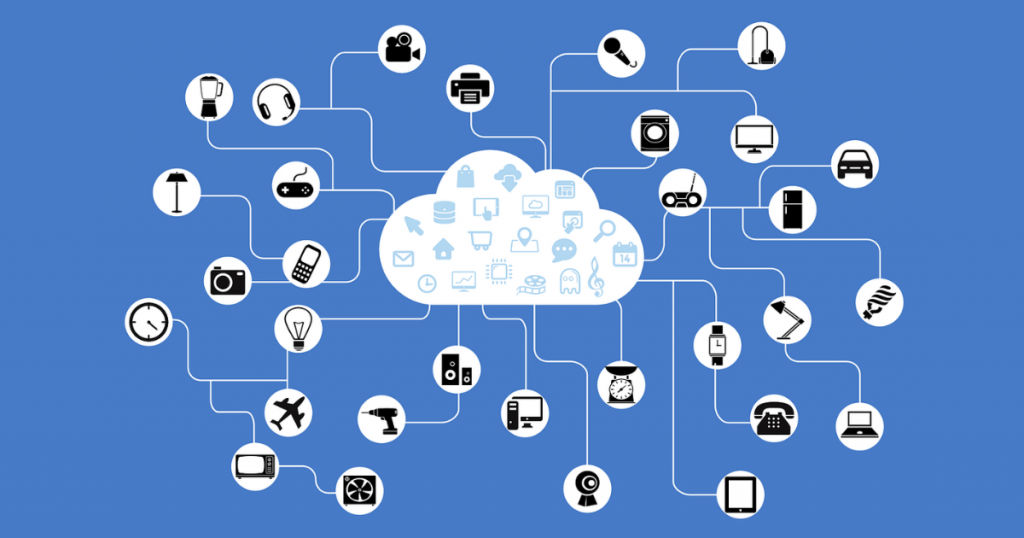
Despite widespread economic contraction during the pandemic, the market for cloud computing grew exponentially in 2020, driven by increased demand. Intelligent edge is one such development that pushes the frontiers of cloud computing.
We are likely to hear a lot more about intelligent edge in 2024 since most predictions for 2024 highlight ‘Intelligent edge’ as among the key trends to watch out for.
Intelligent edge is expected to propel tech companies toward next-generation connectivity. As an extension of edge computing, the intelligent edge is maturing into a concept of its own. As per Deloitte, the global market for intelligent edge will expand up to USD 52 billion in 2024, growing at a CAGR of 35%.
What it suggests is that intelligent edge is here to stay. So, in this article, let’s understand what exactly is intelligent edge. We’ll also touch upon how SaaS companies can benefit from it.
Table of Contents
What is Intelligent Edge?
Intelligent Edge is being hailed as the biggest opportunity that will power the next generation of digital transformation. It is built on the foundation of edge computing. So, before getting to the intelligent edge, we must understand what edge computing is.
In most basic terms, edge computing is the computing that takes place near the source of the data also known as the edge. Here the word ‘edge’ means literal geographic distribution. The ‘edge’ may refer to devices like PCs, smartphones, cars, toys, drones, refrigerators, etc. Edge computing is therefore done in these devices that are closer to the source of data instead of a centralized location.
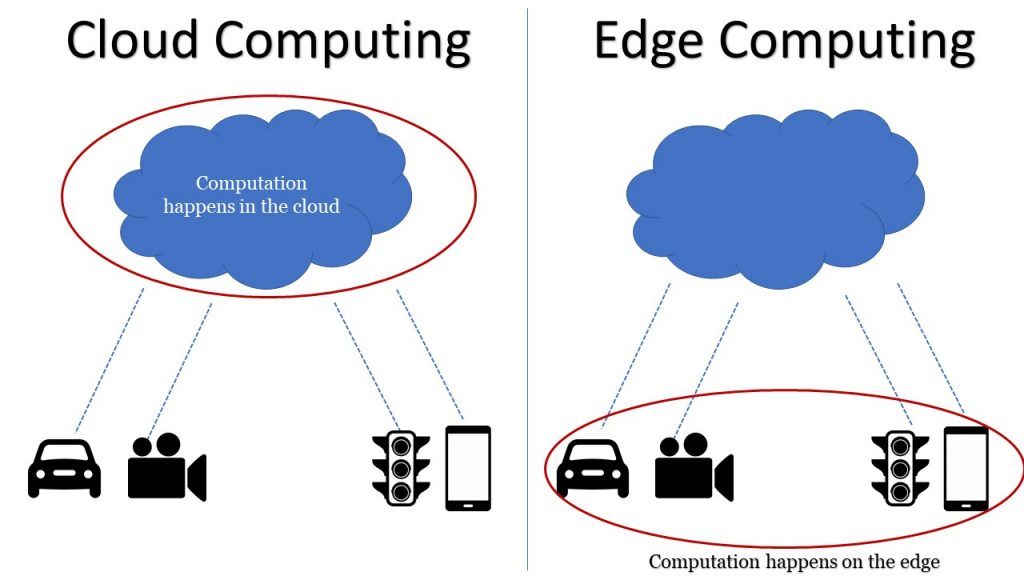
This distributed network infrastructure approach allows data to be processed and analyzed close to its source. Industry analysts predict that the market for global edge computing will reach up to USD 43.4 billion by 2027.
When it comes to intelligent edge, it refers to a device’s ability to use artificial intelligence (AI) and machine learning (ML) to make automated decisions. It is a combination of advanced connectivity, AI, and compact processing power.
Intelligent edge enables data analytics, computing, and automated monitoring physically near the locations where data needs rapid analysis and response. This brings cloud capabilities to remote operations and greatly amplifies its performance.
In short, intelligent edge is the process of analyzing and aggregating data at a point close to where it is captured. By processing data at the edge of the cloud, we can optimize the capture, transmission, analysis, and storage of a large amount of data.
Why is Intelligent Edge important?
Intelligent edge can provide significant advantages to all types of industries. Some common advantages of intelligent edge include –
Intelligent Edge allows businesses to become smarter and faster.
It enables real-time insights and experiences that are delivered by intelligent applications. This combined with virtually limitless computing power can create a framework for real impact.
Intelligent Edge significantly reduces the amount of data stored and transmitted in the cloud.
With the growing popularity of IoT devices, there is a huge amount of data being generated at the edge. It has reached a point where the data being generated is higher than the ability to process it. This is where intelligent edge helps. By processing the majority of data at the edge itself, intelligent edge avoids the need to send data to the cloud or a remote data center for processing. This minimizes cost and reduces latency while also regulating network bandwidth.
It helps reduce lag time in data transmission.
Intelligent edge can reduce the lag that occurs between data transmission and processing. Such is the importance of lag time that even a difference of few milliseconds can define success or failure for a business.
It filters important data.
Intelligent edge lets you reduce noise and instead prioritize data. By filtering only high-quality data, a company’s resources can be focused on storing, analyzing, and processing valuable data only.
How can SaaS companies benefit from intelligent edge?
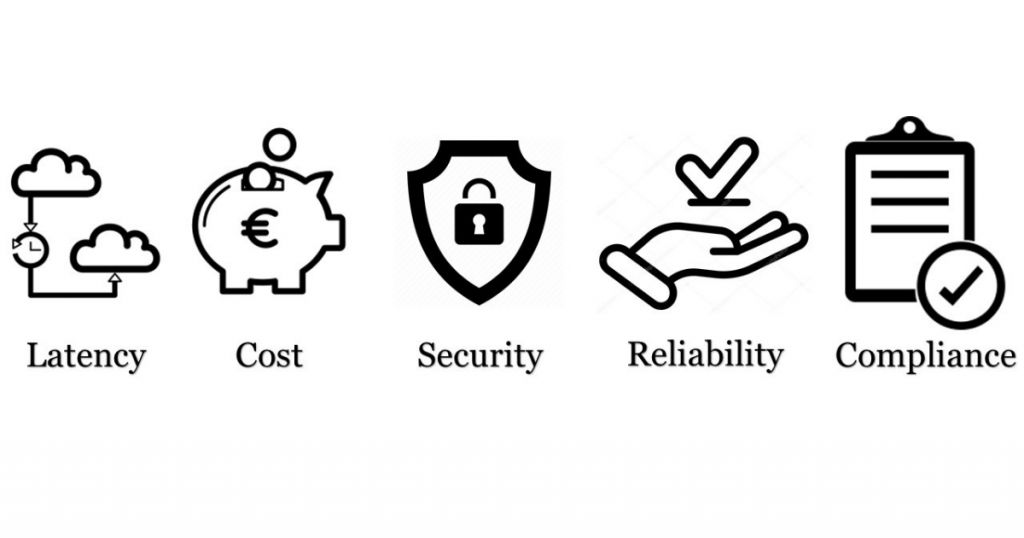
Intelligent edge offers users real-time insights and experiences, delivered by highly responsive and contextually aware apps. For SaaS companies, it could make sense to move from cloud to edge computing. That’s partly because edge can offer the following benefits –
Reduce latency
Some applications that perform mission-critical functions require immediate insight and control. For this to happen, the computation needs to take place at the edge so that any latency can be minimized. Intelligent edge can help achieve that reduced latency.
Lower costs
Intelligent edge helps reduce bandwidth since it alleviates the need to send big data back and forth. This reduction in bandwidth helps lower costs for enterprises.
Enhance security
Data stored in the cloud is prone to cyberattacks and data breaches. When data is transferred to remote servers for storage, it becomes prone to security threats. That is why processing data at the edge reduces security vulnerabilities.
Improve reliability
Even if there is no threat from cybercriminals, data can still be corrupted on its own. Drops, missed connections, and retries hamper edge-to-data-center communications. This reliability can be improved by using intelligent edge.
Maintain compliance
There are many geographic-specific policies and laws that govern how data is transferred or stored. For example, think of GDPR in Europe. So, using intelligent edge, companies can comply with such laws and keep the data at the edge without moving it to external servers.
Conclusion
It must be kept in mind that we are only beginning the scratch the surface when it comes to intelligent edge. There’s a reason intelligent edge is a part of almost every other prediction for the upcoming year. It is continually expanding the universe of connected systems.
In case you’d like to keep yourself updated with such interesting developments, make sure to check out the SaaSworthy blog where we discuss new ideas and perspectives that could impact the SaaS industry.
For details on various SaaS tools and reviews, visit SaaSworthy.
