

The job of being a mental health doctor can be tiresome. This is where mental health software comes into play. It allows you to merge and simplify a variety of time-consuming, manual tasks while still improving their efficiency levels.
Choosing a mental health software best suited to your needs can be challenging, especially with a multitude of them in the market. Hence, SaaSworthy has come up with a list of the top 9 best mental health software in 2021. So, get rid of your stress and go through this entire article to know which mental health software is best tailored to your needs.
Table of Contents
What is a Mental Health Software?
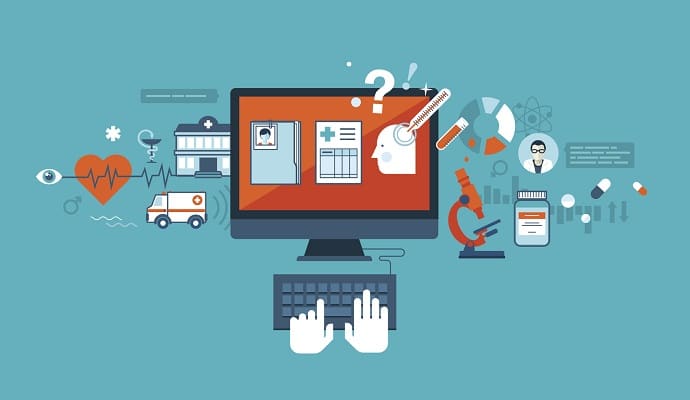
Mental health software is designed exclusively for psychiatrists, psychologists, social workers, counselors, occupational therapists, physical therapists, dietitians, and substance abuse counselors. Behavioral health software is another name for mental health software. Practice management software is the most common type of mental health software.
Importance of Mental Health Software
Mental health software aids practitioners in simplifying their daily activities, expand their practice, and improve patient outcomes. Appointment scheduling, patient intake, treatment plans, notes, evaluations, billing, invoicing, and telehealth are a few of its modules.
This software serve the core roles of private practitioners. Furthermore, customized mental health software applications concentrate on specific tasks such as paperless client intake and telehealth.
1. Credible Behavioral Health Software
Credible Behavioral Health Software is a mental health software that assists users with managing clinical evaluations, schedules, and other tasks. It is best suited for clinicians and executives and is SaaSworthy’s first choice for mental health software. Credible has collaborated with over 435 Partner Agencies in 36 states since its inception in June 2000.
The various features of Credible Behavioral Health Software include:
- Schedules, bills, AR, paperwork, and so on are present in one software that you can customize to your own needs
- Making appointments with patients, and navigating between screens is simple
- Supports single-provider practice as well as multi-provider practice
- It also supports claims management, compliance tracking, reminders, employee management, treatment planning, and a self-service portal
The limitations of Credible Behavioral Health Software are:
- Connectivity and latency errors with the server do occur from time to time.
- Inefficient arrangement of data in a single webpage, and some may find it confusing to use.
2. PIMSY
PIMSY is a mental health software designed specifically for psychiatric and behavioral health services. But its versatility makes it a popular option for practices that include substance abuse treatment, IOP, methadone dosing, and speech therapy as well. Customers can choose between Prime, Professional, or Premium plans with varying degrees of functionality and service and can change plans at any time.
The various features of PIMSY include:
- The provider platform allows physicians to view client charts and monitor their calendars online.
- The client portal allows patients to fill out paperwork, receive remote care, and more.
- The messaging module ensures encrypted communication between clients and physicians and provides appointment updates to patients.
- The system’s human resource personnel file makes it simple and convenient to monitor training, credentials, and insurance network records.
The limitations of PIMSY are:
- The software can be clumsy and loads slowly at times.
- Electronic payments can take some time to process.
3. Valant
The integrated EHR and practice management suite from Valant is the gold standard in mental health software. It is used by behavioral health clinics, organizations, and physicians to help deliver higher-quality services and improve outcomes. It has been in the healthcare industry since 2005 and is one of SaaSworthy’s top recommendations.
The various features of Valant include:
- Prescriptions can be checked, refilled, and renewed directly from the dashboard, reducing prescribing errors and providing patients with timely warnings and notifications.
- Allows for coordination, either between the clinician and the client or between different clinicians
- Utilizes streamlined billing to automate data entry, improve information accuracy, save workers time, ensure invoice collection, and increase revenue.
- Allows you to create detailed medical records while concentrating on the patient rather than the computer and stores them securely.
The limitations of Valant are:
- The clinical notes module may not be accurate.
- There are occasional glitches and lags in the software.
4. Epitomax
Epitomax is a mental health software established with the aim of improving the effectiveness and quality of services in the mental health and addiction recovery sectors. Epitomax is intended for medium to large mental health practices with six or more providers, twenty or more workers, and ten or more software users.
The various features of Epitomax include:
- Ability to tailor medical forms and treatment plans by adding or removing individualized treatment plan targets and goals at any time.
- You can use the software to schedule appointments, complete paperwork online, and generate billing.
- The monitoring systems and query tool help you get the statistics and details needed to monitor various facets of the hospital.
- The billing customization tools make it easy to satisfy the billing needs of the payers.
The limitations of Epitomax are:
- It can be slow and laggy, which ends up in crashes.
- It is susceptible to errors in browsers other than Chrome.
5. ShareNote
ShareNote is a web-based mental health software and data collection framework intended to help mental healthcare agencies automate activities. ShareNote works for businesses of all sorts, from sole practitioners to major corporations.
The various features of Sharenote include:
- Its HIPAA-compliant telehealth and one-of-a-kind patient portal allow patients to communicate directly with therapists.
- Its color-coded calendars and alerts help therapists maintain their schedules and ensure no appointments are postponed or canceled.
- It also has e-signatures, e-prescribing, a practice planner, and other features to keep mental healthcare providers up to date.
- Its e-billing modules support claim assessment, submission, and remittance monitoring, to handle payments, minimize denials, and increase revenue.
The limitations of ShareNote are:
- You can get logged out at times, and your data might not get saved.
- It can improve video calling features.
6. Cerner
Cerner is a cloud-based mental health software used by health agencies of all sizes to streamline processes to deliver better treatment. With over 40 years of experience in the health care sector, Cerner helps over 27,500 hospitals in more than 35 countries. You can implement this software both on-premises and in the cloud.
The various features of Cerner include:
- The process and method of registration, admission, transfers, and discharges are automated.
- Allows physicians to obtain access to many main programs on clinical workstations with a single username and password.
- Displays a daily patient schedule, the check-in time, the explanation for their visit, and the necessary paperwork.
- Limiting access to confidential health data to only certain people protects the data from internal breaches and cyberattacks.
The limitations of Cerner are:
- There is no single sign-in procedure, and multiple sign-ins are needed.
- The navigation can get slow if clicked many times.
7. TherapyNotes
TherapyNotes is a cloud-based mental health software and is designed exclusively for behavioral and mental health services. TherapyNotes has partnered with thousands of medical facilities since 2010. Treatment facilities of all sizes use it to automate tasks, streamline everyday activities, and refine workflows.
The various features of TherapyNotes include:
- With speech-to-text tools, built-in templates, and searchable diagnostic codes, it is possible to create quick documents and notes.
- The integrated payment processing system immediately deposits funds to the bank account.
- Physicians can contact clients online for comfortable video sessions that are encrypted and built into TherapyNotes and the patient portal.
- Using mobile applications and the client portal, clinicians can view and edit a patient’s file, send notes on the go.
The limitations of TherapyNotes are:
- It lacks training materials, so some may find it challenging to navigate through.
- It charges for automatic appointment reminders.
8. ICANotes
ICANotes was among the first companies in the market to promote mental health software. Integrations and compatibility are important aspects for EHR applications, and ICANotes include enough to meet any user’s needs. It is designed for mental health professionals, physicians, and back-office administrators. Treatment facilities of all sizes use it to incorporate and deploy it into a user’s workflow.
The various features of ICANotes include:
- Its comprehensive note-taking capabilities can handle notes for a multitude of behavioral health professions, including psychiatry, family counselling, group therapy, etc.
- Coordinates with other providers and laboratories to exchange notes, lab findings, costs, patient records, schedules across multiple software platforms.
- Physicians can transfer prescriptions to pharmacies with its E-Prescribing feature while managing and remotely updating dosages, amounts, or instructions.
- It provides doctors with access to more than 75 rating and evaluation methods.
The limitations of ICANotes are:
- The support team is not responsive and knowledgeable.
- Screen freezing and lags, and downtime occur on a regular basis.
9. SimplePractice
SimplePractice is a cloud-based top-reviewed mental health software that assists private small-scale mental health practitioners. It automates customer relationship management procedures such as scheduling, payment collection, reporting, and more. Users can use it at any time and from any location, including their mobile devices.
The various features of SimplePractice include:
- You can view billing records, medical history, lab reports, and more using the dedicated customer portal.
- You can schedule appointments, receive automated reminders, and sync appointments to your Google, iCal, or Outlook calendar with online scheduling.
- You can efficiently organize all of the hospital’s records using detailed notes, customized templates, and reusable forms.
- Thanks to an in-built library containing thousands of ICD-10 codes, treatment schedules are integrated with progress notes.
The limitations of SimplePractice are:
- The customization and video session capabilities are limited.
- Some features and documents may be tricky to find.
Conclusion
With a plethora of mental health software available, it can be challenging for you to find the right one. We hope this article provided insight into the various types of mental health software available in the market. You can now choose a mental health software tailored to your needs after weighing its pros and cons. To find out more about various software, visit SaaSworthy!
