

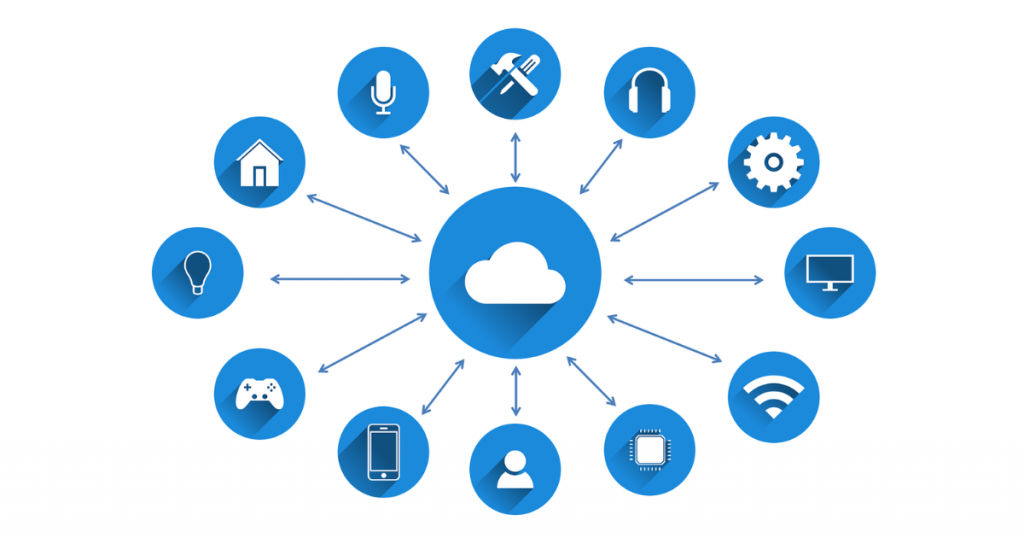
Internet of things (IoT) is a network of connected devices that are capable of communicating with each other. After merely emerging as a concept in the early 2000s, IoT has now become an important part of our everyday lives. IoT devices are now everywhere, be that on smartwatches, home assistants, smart lights, and whatnot.
The growth of IoT has been such that forecasts suggest there will be 75 billion IoT devices in use by 2025, a threefold increase from the number in 2019.
IoT also has a crucial role to play in the development of smart cities. As the urban population grows, cities are facing new challenges like preventing environmental degradation, avoiding sanitation problems, migrating traffic congestion, and thwarting urban crime. IoT can create new experiences for city residents and make everyday living more comfortable and secure.
In this article, we’ll shed light on various IoT applications in smart city solutions.
Table of Contents
Use cases of IoT in smart cities
IoT-powered smart city use cases span multiple areas. Below are some of the top use cases of how smart cities can leverage IoT –
1. City transportation
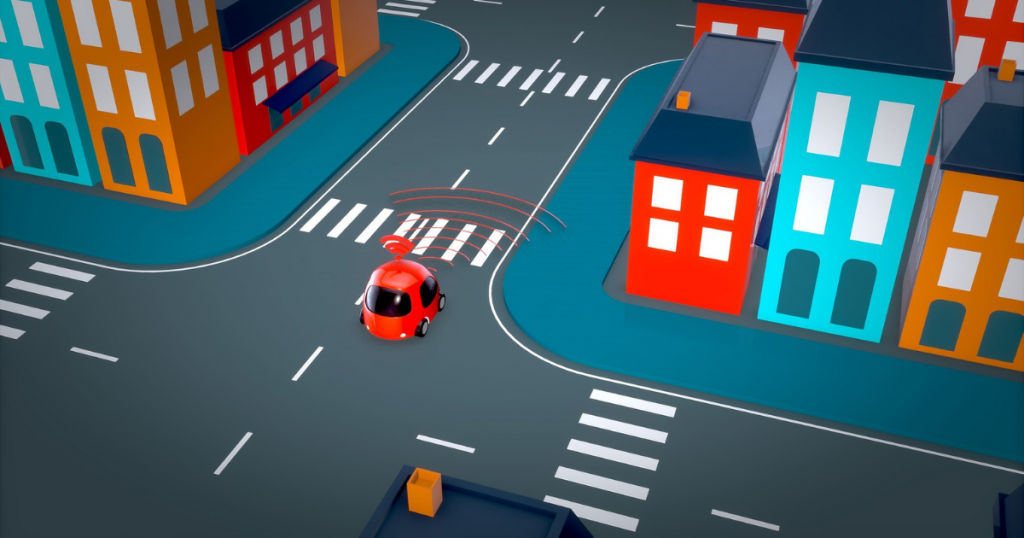
It can be difficult to get around in a big city. Public transport means like buses, trains, and ferries can be particularly frustrating. Moreover, public transit isn’t as comfortable and convenient as a private vehicle.
That is why a need for smooth and fast public transport is gaining popularity. The presence of IoT in public transit is changing things. Thanks to smart connected public transportation systems, the experience of passengers has improved significantly.
It has become easier to get updates on the real-time movement of vehicles, notifications about routes, and even personalized travel news.
a. Real-time vehicle tracking
IoT allows passengers to get real-time information about where the vehicle is and how long will it take for a public transit vehicle to arrive at a particular stop. By using GPS devices installed in vehicles, data is transmitted back and forth between a vehicle and a central command center. This data is also relayed to passenger’s internet-enabled mobile devices or to an electronic sign at transit stops.
b. Safety and accident awareness
IoT-enabled transit can help passengers stay informed throughout the journey. In smart cities, the vehicles that get into accidents and wrecks can share their status and location with authorities in the central command center. In addition to keeping city officials in the loop, these notifications can also help other smart vehicles. These vehicles can then use this information to either slowdown, update journey time, or even reroute to avoid inconvenience for passengers.
c. Personalized travel information
Personalization is the future, not only for marketing but for almost every industry. IoT technology can enable transit authorities to send personalized travel information to passengers. For example, a transit agency can analyze a passenger’s travel habits and notify them ahead of time in case there is any re-routing or closure on their daily route.
2. Smart lighting

Smart lighting is capable of contributing to improved quality of life in smart cities. IoT-enabled smart lighting uses sensors, bulbs, and adapters to allow city authorities to control street and office lights from a central data center.
a. Daylight harvesting
Smart lighting can help daylight harvesting systems to work in sync and reduce the need for electrical power. IoT can automate processes like setting brightness levels and daily usage tracking. This will significantly improve a city’s ability to stay green economically.
b. Load management
Street lights present municipal bodies with dynamic, ever-evolving requirements. Using smart lighting systems, city authorities can manage these complex, demanding loads. These lighting systems can be ideal for making the best use of site power during outages.
c. Utility improvements
Smart cities utilize intelligent connected lighting to offer appropriate street-level illumination based on specific situations. Using uniform, centralized control dashboards, urban authorities can automatically accomplish tasks once regarded too difficult to perform. Using programmable lights, cities can help guide late-night foot traffic after a big event or concert.
3. Video surveillance & analytics

The global market for video surveillance systems was valued at around USD 52 billion in 2020 and is growing at a CAGR of 9.31%. This shows the growth of video surveillance. Smart cities too can utilize CCTV cameras and analytics to detect specific situations like crimes, road accidents, potential threats, etc. This can be really beneficial in cities that are highly crowded.
Take the example of Cape Town in South Africa. The city introduced a License Plate Recognition solution that helped make the city much safer. Up to 300,000 cars were monitored per hour. This led to a drop of 64% in the crime rate in the city.
4. Waste management
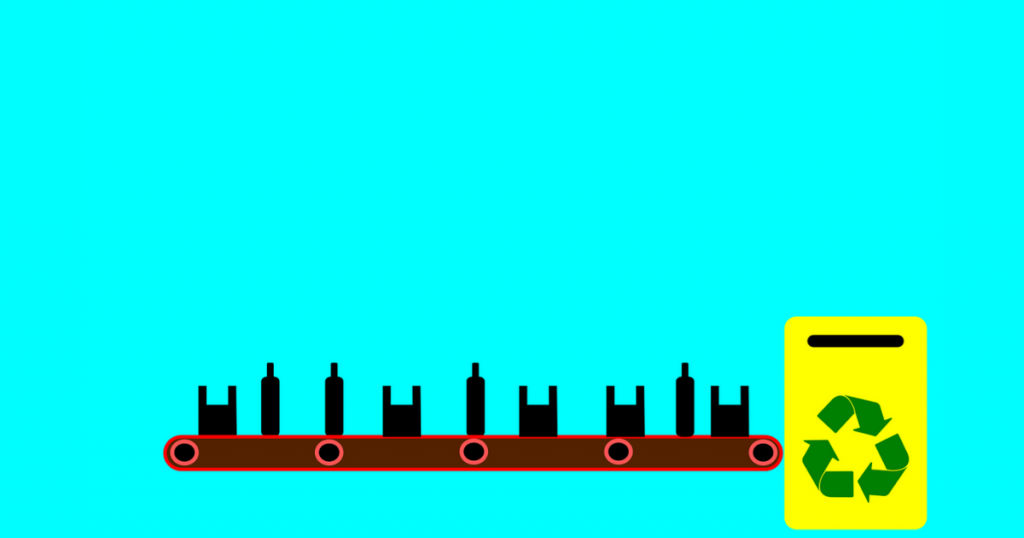
Smart waste management using IoT devices can make the job less time-consuming and error-prone. It includes optimizing waste collection schedules based on tracking waste levels while also providing route optimization and operational analytics.
The waste containers have embedded sensors that gather data about waste levels in a container. After reaching a certain threshold, the sensors send a notification to the central command as well as the waste truck driver’s mobile app.
Consider Chicago as an example. The city officials used sensor-equipped dumpsters and linked its data to predictive analytics tools. This enabled the city to become 20% more effective at managing waste.
5. Flood/water level monitoring
IoT-powered solutions can be used to monitor the water levels in public water basins like rivers, channels, or lakes. In highly-populated areas like cities, this can be crucial for taking timely preventive measures.
Let’s take the example of La Emilia in Buenos Aires, Argentina. In 2017, about 75% of the town’s population was forced to evacuate because of flooding caused by the local river. The government then implemented a system based on a wireless sensor platform that offers real-time information about the condition of the river. Moreover, collecting long-term statistics helps mitigate future risks.
Conclusion
It makes practical sense to adopt connected tech in densely populated urban areas. The use cases of connected IoT devices discussed in this article give a glimpse of things possible with connected devices.
However, along with the hardware, it’s also important to have software that supports IoT devices. To help simplify the complexity and expense of deploying IoT, you need applications and platforms that can assist in the process.
There are many SaaS businesses that help organizations deploy and manage IoT solutions within a short time. To know more about such platforms, check out our website.
In case you are looking for detailed reviews and information on other SaaS products, visit SaaSworthy.
