

In the world of sales, it’s important to have a well-organized and efficient sales process to maximize your sales potential. A sales process that is well-structured and optimized will help your sales team to close more deals, increase customer satisfaction, and grow your business.
However, building an effective sales process is not always straightforward. It requires careful planning, testing, and ongoing optimization to achieve the desired results. In this article, we will explore some of the do’s and don’ts of improving your sales process.
Table of Contents
DO: Define Your Sales Process
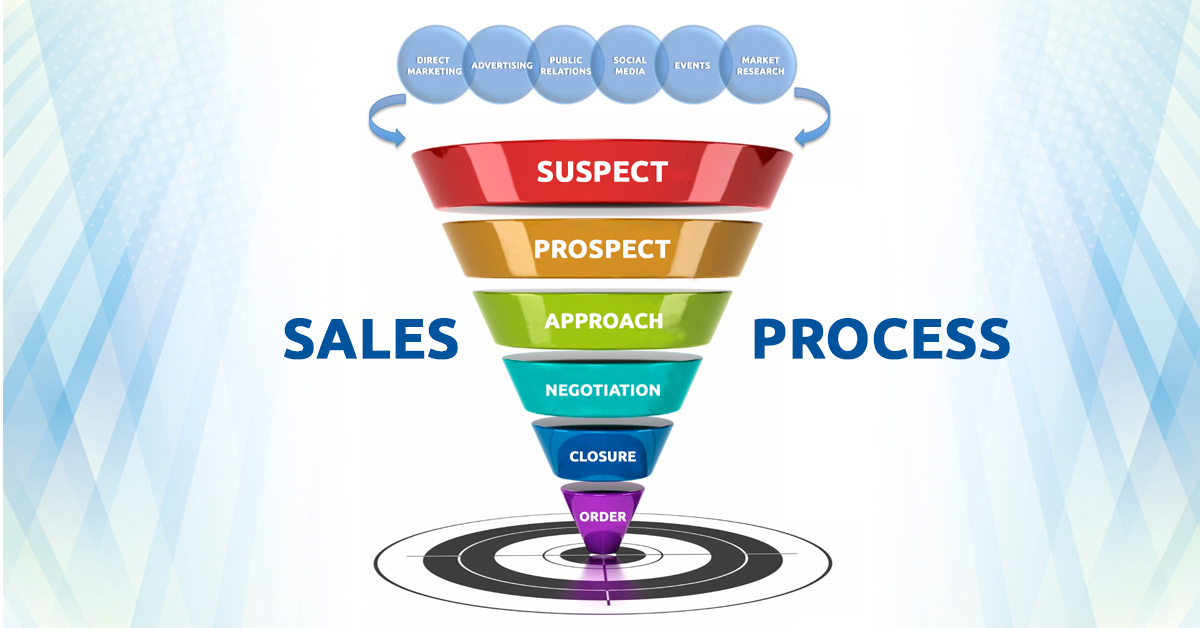
The first step in improving your sales process is to define it. This means breaking down your sales process into specific stages and identifying each stage’s key actions and objectives. This will help you to streamline your process and make it more efficient.
Creating a sales funnel is one effective way to define your sales process. This involves breaking down the customer journey into distinct stages, from initial awareness to final purchase. By mapping out the steps a customer takes along this journey, you can identify the specific actions your sales team needs to take to move the customer from one stage to the next.
Another important aspect of defining your sales process is establishing clear success metrics. This means identifying the key performance indicators (KPIs) that you will use to measure your progress and determine whether your process is effective. Common KPIs for sales processes include conversion rates, average deal size, and customer lifetime value.
Don’t: Assume that One Size Fits All
One mistake that many businesses make when improving their sales process is assuming that there is a one-size-fits-all solution. In reality, every business has unique needs and challenges, and your sales process should be tailored to your specific situation.
For example, if you are selling high-end luxury products, your sales process may need to be more personalized and involve more one-on-one interactions with customers. On the other hand, if you are selling low-cost, high-volume products, your sales process may be more automated and focused on driving conversions through your website.
To avoid this mistake, it’s important to take the time to understand your customers and their needs. This means conducting market research, analyzing customer data, and soliciting feedback from your sales team. By gaining a deeper understanding of your customers, you can develop a sales process that is tailored to their needs and preferences.
DO: Train Your Sales Team
Your sales team is the backbone of your sales process, so investing in their training and development is important. This includes providing them with the tools and resources they need to succeed, as well as ongoing training to help them stay up-to-date on the latest sales techniques and best practices.
One effective way to train your sales team is to create a sales playbook. This comprehensive guide outlines your sales process, including the specific actions and objectives for each stage. It also includes tips and strategies for handling common objections and closing deals.
Another important aspect of sales team training is coaching and feedback. This means providing regular feedback to your sales team on their performance and coaching them to improve their skills and overcome any challenges they may be facing.
Don’t: Neglect Your Sales Technology
In today’s digital age, sales technology is essential to any sales process. From CRM software to sales automation tools, a wide variety of technologies are available to help streamline and optimize your sales process.
However, one mistake that many businesses make is neglecting their sales technology. This can result in inefficiencies, missed opportunities, and a lack of visibility into your sales pipeline.
To avoid this mistake, investing in the right sales technology for your business is important. This means taking the time to research and evaluate different tools and platforms and choosing the ones that best meet your needs.
It’s also important to ensure that your sales technology is integrated with your sales process. This means ensuring that your sales team is trained on how to use the technology effectively and that it is being used consistently throughout your sales process.
DO: Focus on Customer Experience
Some important questions to consider are listed below. Customer experience is more crucial than ever in today’s cutthroat business climate. Customers have high expectations when it comes to the sales process, and if you don’t meet those expectations, they are likely to go elsewhere. To improve your sales process, it’s important to focus on delivering a positive customer experience at every stage of the sales journey. This means understanding your customer’s needs and preferences and tailoring your approach accordingly.
One effective way to improve customer experience is to personalize your sales process. This means using customer data to tailor your sales approach to each individual customer. For example, you might use their browsing history or purchase history to recommend products or services that are relevant to their needs.
Another important aspect of delivering a positive customer experience is communication. This means being responsive and transparent with your customers and keeping them informed throughout the sales process. By maintaining open lines of communication, you can build trust and establish a positive relationship with your customers.
Don’t: Focus Only on Closing Deals
While closing deals is important, it’s not the only objective of the sales process. In fact, focusing solely on closing deals can actually be counterproductive, as it can result in a short-term focus that neglects the long-term health of your business.
To avoid this mistake, it’s important to focus on building relationships with your customers. This means taking the time to understand their needs and preferences and providing them with the support and resources they need to succeed.
One effective way to build relationships with your customers is to provide ongoing support and follow-up after the sale. This might include providing training or resources to help them get the most out of your product or service or simply checking in with them periodically to ensure that they are satisfied.
By focusing on building relationships with your customers, you can establish a loyal customer base that will continue to support your business over the long term.
Conclusion
In conclusion, a well-designed and executed sales process can be the key to success for any business. It is important to take the time to define your sales process, train your sales team, and leverage technology to optimize your approach. Additionally, focusing on providing a positive customer experience at every stage of the sales journey and building strong relationships with your customers can help establish a loyal customer base that will support your business over the long term.
It is important to avoid common mistakes, such as assuming that a one-size-fits-all approach will work for all customers or focusing solely on closing deals. By taking a customer-centric approach and prioritizing building relationships with your customers, you can establish a sales process that is tailored to your unique needs and helps you achieve your business goals.
Remember, improving your sales process is an ongoing process that requires constant evaluation and refinement. By staying committed to providing a positive customer experience, building strong relationships with your customers, and continuously improving your approach, you can establish a successful and sustainable sales process that drives growth and success for your business.
