

The simulation of human intelligence in machines, which enables them to carry out activities that ordinarily require human intelligence, is known as artificial intelligence (AI). This covers activities like deciphering natural language, spotting patterns, resolving issues, coming to conclusions, and gaining knowledge from data. Artificial Intelligence (AI) is a vast science that includes many subfields, such as computer vision, natural language processing, machine learning, and deep learning.
With the help of artificial intelligence (AI), predictive analytics can estimate user behavior, giving developers the opportunity to make data-driven decisions and enhance app features for better user experiences. With the use of voice commands, language translation, and chatbot interactions, Natural Language Processing (NLP) makes products more user-friendly. image and video identification makes features like augmented reality and visual search possible. AI protects user data and privacy by enhancing app security through threat analysis, biometric authentication, and fraud detection. AI-powered content recommendations and user behavior analysis enable incremental enhancements to the functionality and design of mobile apps, ultimately making them more data-driven and user-centric.
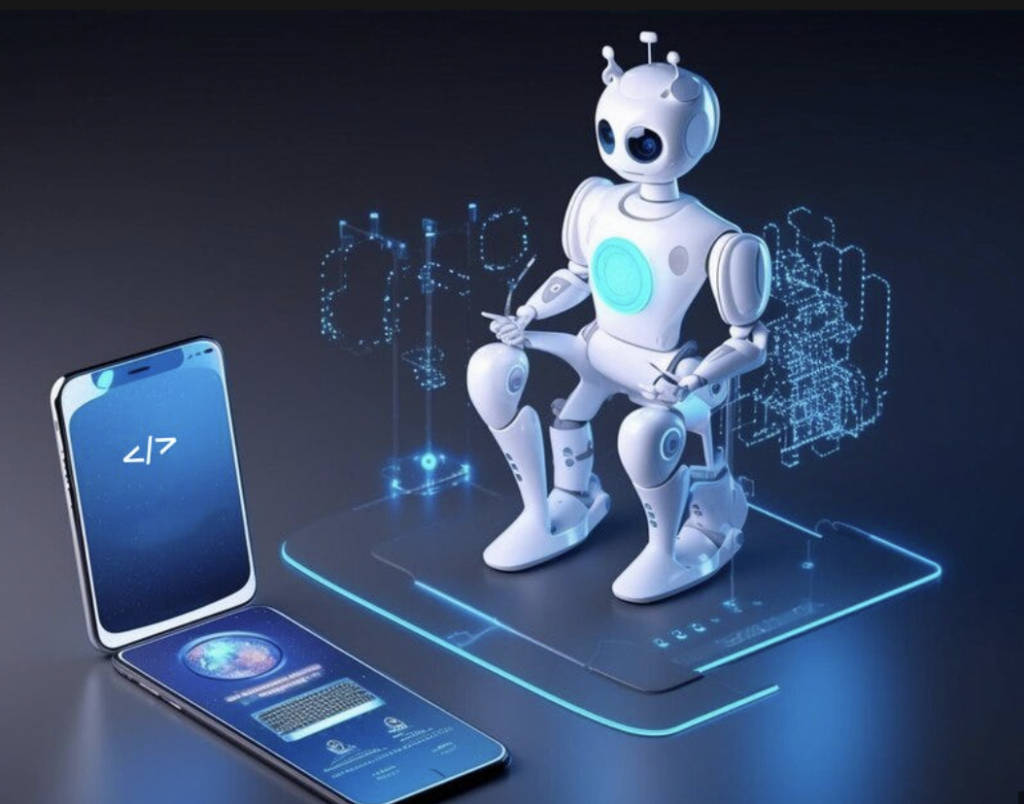
Mobile app development projects can benefit from the usage of artificial intelligence (AI), which can improve user experiences, automate processes, and yield insightful data.
Table of Contents
5 Ways to Use AI in Mobile Application Projects
1. Personalized Behaviour
AI-driven suggestions that are customized to a person’s tastes and behavior are called personalized recommendations. To offer tailored recommendations, these mobile app recommendations evaluate user data, including previous interactions, purchases, and content consumption. For instance, it can improve the purchasing experience in e-commerce apps by making product recommendations based on a user’s browsing history. Streaming apps make recommendations for music or movies based on what the user has previously selected. By providing information or goods that match the user’s interests and requirements, personalized suggestions not only increase user engagement but also boost conversions and user happiness, eventually improving the whole app experience.
- Personalized behavior in mobile applications refers to adjusting the app’s functionality to suit the individual tastes and routines of each user. It produces a very customized experience by going above and beyond standard user interfaces and content. User-driven customization, user-specific content, and recommendation algorithms are some of the methods that can be used to achieve this personalization.
- To create a daily news feed with subjects users are most likely to interact with, a personalized news app, for example, might draw information from the user’s reading preferences and past purchases. Similar to this, e-commerce apps can increase conversion rates by showcasing goods and deals in accordance with a user’s past purchases and browsing activity.
- Apps can greatly increase user engagement, contentment, and retention by personalizing behavior. This is because users feel more valued and understood, which ultimately contributes to the app’s success.
2. Natural Language Processing
The goal of the artificial intelligence field known as “natural language processing” (NLP) is to enable computers to comprehend, interpret, and produce human language. It includes a variety of tasks, such as sentiment analysis, language translation, and text and speech recognition. Mobile apps can process and respond to natural language input thanks to NLP technology, which also improves user experience. Apps’ chatbots and virtual assistants, for instance, can converse with users and respond to their inquiries or offer help. Additionally useful for content-driven and communication apps, natural language processing (NLP) enables sentiment analysis, text summarization, and language translation. Mobile apps may connect and understand users more effectively by utilizing natural language processing (NLP), creating new opportunities for user convenience and engagement.
- NLP facilitates language translation, removing barriers to international communication. Another tool is sentiment analysis, which enables applications to determine user sentiment from text data, which is useful for comprehending user reviews.
- NLP facilitates text summary, which reduces lengthy material pieces into shorter, easier-to-read formats. Named entity recognition is helpful in applications that analyze textual data because it can recognize entities such as names, dates, and locations inside text. NLP helps search and recommendation algorithms in content-driven apps comprehend user queries and deliver pertinent results.
- In conclusion, NLP improves content processing and user interactions, breaks down language barriers, permits natural language understanding, and facilitates communication—all of which increase the functionality of mobile apps. It keeps on transforming how people interact with mobile apps.
Image and Video Recognition
A subset of computer vision called image and video recognition provides mobile apps with the ability to analyze and comprehend visual content like photographs and videos. AI systems are used to analyze visual inputs to identify objects, faces, text, and even context. Image and video recognition in mobile app development can be used for a variety of tasks.
- Visual Recommendations: To enhance the purchasing experience, retail and fashion applications employ picture recognition to recommend related goods or apparel items based on photos or videos that users have supplied.
- Emotion Analysis: Content creators and market researchers can better understand audience reactions by using video recognition, which analyzes gestures and facial expressions to determine the emotions of users.
- For example, it can facilitate visual product search in e-commerce apps, enabling users to find products by taking images of them. By examining medical photographs, it can help with diagnosis in the field of healthcare. Furthermore, picture recognition is used by augmented reality (AR) applications to superimpose digital data on actual objects. Mobile apps that integrate picture and video recognition can enhance user experiences, automate processes, and provide new opportunities.
Predictive Analytics
Utilizing past data, statistical algorithms, and machine learning, predictive analytics is a data-driven technology that makes predictions about future patterns, actions, or occurrences. Predictive analytics aids in decision-making and improves user experiences for organizations and developers creating mobile apps. Predictive analytics may forecast consumer preferences by examining user data and behavior patterns. This enables apps to present recommendations or personalized content, which raises user satisfaction and engagement levels. It’s also useful for improving the speed of apps by anticipating possible problems, crashes, or downtimes and fixing them before they affect users. Predictive analytics can also be used to forecast app usage trends, which aids in resource allocation for businesses. Predictive analytics essentially gives mobile apps the ability to be more proactive and user-focused, which eventually results in better decision-making.
- Fraud detection – Predictive analytics and machine learning are used in mobile app fraud detection to find and stop fraudulent activity. It is able to identify potentially suspect behaviors, such as identity theft, payment fraud, or unauthorized access, by examining user behavior, transaction patterns, and other data. It protects both users and the app by instantly triggering notifications or taking action to stop possible fraud. In order to provide a secure and reliable user experience, this technology is essential for protecting financial, e-commerce, and any app handling sensitive customer data.
User Behavior Analysis
The process of collecting, monitoring, and analyzing data about how users engage with a product—such as a program, website, or mobile app—is known as user behavior analysis. Understanding user preferences, needs, and pain spots depends on this study. User behavior analysis in mobile app development is keeping an eye on and researching several aspects of user interaction, such as click-through rates, session length, feature uptake, and app usage patterns. App developers can enhance the design, functionality, and overall user experience of their apps by utilizing data-driven decision-making through the utilization of user behavior analysis. Increased customer satisfaction, greater conversion rates, and increased user retention can result from this. Furthermore, by identifying problems or bottlenecks in the program, user behavior analysis enables focused usability enhancements.
- In the process of developing mobile apps, user behavior analysis entails the methodical observation and study of user interactions. It is essential for raising user retention, boosting app performance, and optimizing user experiences. Developers can target their apps at particular user groups, optimize features and designs, and engage users who are likely to leave by segmenting users, running A/B tests, and predicting churn.
- A deeper comprehension of user routes is made possible by funnel analysis, which also provides insights for conversion rate optimization and identifies user dropoff points. User activity analysis also helps to detect and resolve security risks and performance problems. Additionally, it drives content recommendations, which support app retention.
Conclusion
To sum up, the incorporation of artificial intelligence (AI) into mobile app development initiatives is a game-changer with enormous promise for producing applications that are wiser, more interesting, and more user-focused. Developers can increase user pleasure and retention by using AI to automate processes, provide personalized experiences, and make data-driven decisions. AI improves mobile apps’ usability and accessibility in a variety of ways, from natural language processing to predictive analytics that predict user behavior and facilitate smooth interactions. Further layers of value are offered by content recommendations, security improvements, and image and video recognition. Adopting AI in mobile app development is not just a choice in a fast-changing digital landscape; it is a strategic need for maintaining competitiveness, fostering innovation, and satisfying consumers’ ever-changing needs. AI-driven mobile app development offers countless opportunities as technology develops, pointing to an intelligent, responsive, and user-friendly app future.
