

For an organization and its employees to work efficiently, and towards a greater goal, there are several frameworks that exist. But the most popular one is OKRs, which has a long history, dating back to 1954, but it got popular when search titan Google implemented the Objective and Key Results methodology. Since then, many companies have followed suit. However, ensuring that everyone is adhering to the same goal isn’t an easy thing, and if that’s not done well, it defeats the entire purpose of OKRs.
That’s where Workpath comes in. A Germany-based SaaS company that aims to make it easier to organizations of all sizes to plan, align, and execute OKRs (or other such frameworks). We managed to interact with Johannes Müller, Co-founder and CEO at Workpath to ask about his journey, Workpath’s evolution, and more.
PS: The interview has been edited for the sake of brevity.
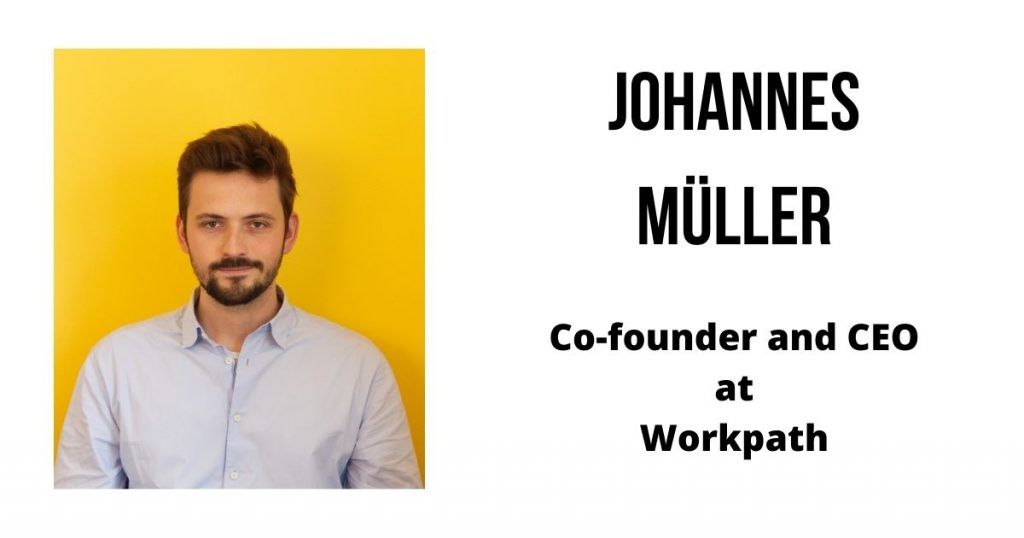
Table of Contents
1) Hi Johannes, before we begin talking about Workpath, our readers would love to know your journey into the world of SaaS?
During my studies, I was in an entrepreneurial program which was all about software and modern technologies. It was pretty clear already that the software-as-a-service model is the way of delivering superior software products and continuously iterating on them.
After finishing my studies in the US, I was working in a Venture Capital firm in Berlin, but it was always the plan to get back into building something, as I’ve always been working in software companies and startups during my studies. It was never an option, not to make Workpath a SaaS company. I don’t think you can build a winning software company without being in the cloud and providing a product that gets better every week.
2) What led you to launch Workpath and what problem you’re trying to solve with it?
Me and the other founders have a background in digital companies, and we realized that the way we were working there became increasingly relevant for all organizations. Traditional management and organizational models come from the industrial age. If you want to succeed in a digital, more service-oriented economy, you also need new ways of managing work. We also saw that a growing number of executives shared the belief that there will be fundamental change in the way companies of all industries deliver their value, and that requires new ways of working and coordinating work for the customer.
In the last century, the dominant drivers of competitive edge and success were being large, efficient, and cost-controlled. Today’s economy is primarily defined by the speed of change. Globalization and digitization are just two of many drivers of volatility and ambiguity in most markets. So, the ability to adapt and to continuously innovate will be a defining factor of successful companies in the future. Reporting lines and internal structures have to be built around a shared, flexible process model where goals can be translated into initiative and every team contributes to a common goal.
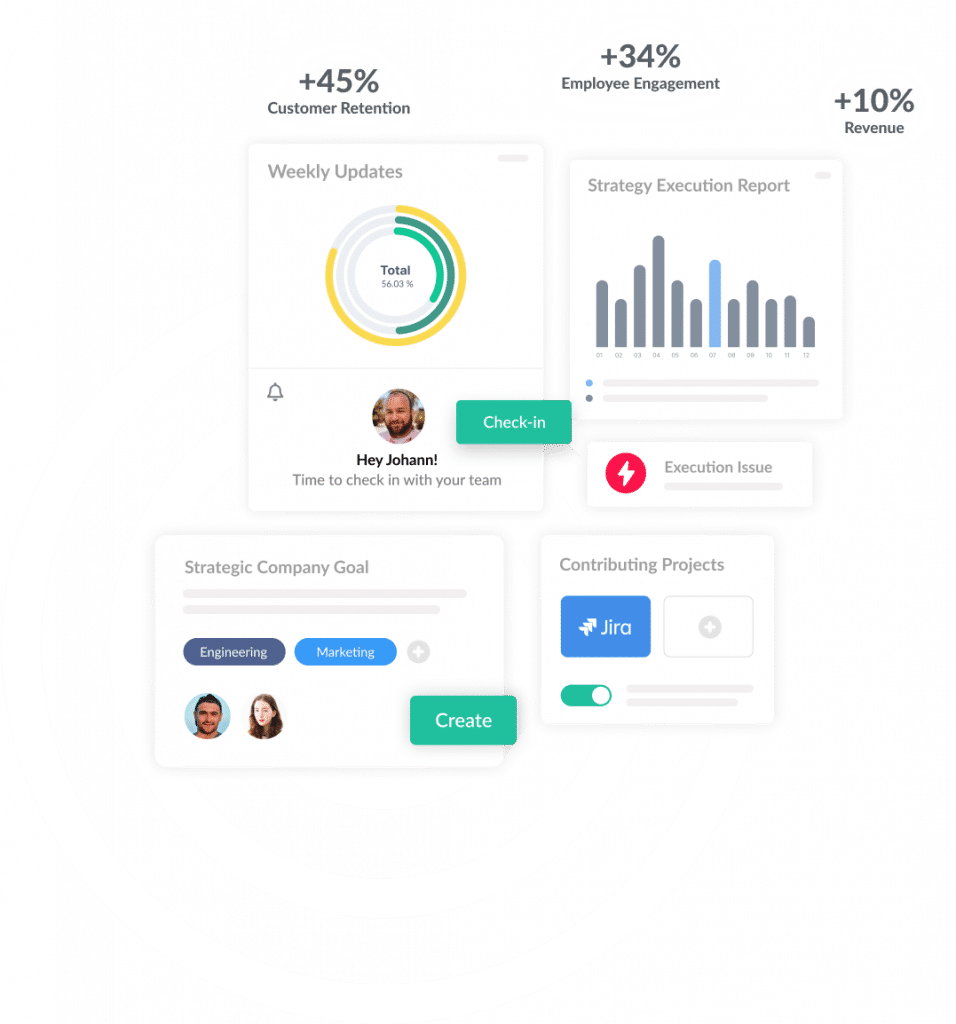
That’s what Workpath is about. We provide a new strategic operating model for enterprises, as traditional management approaches and Tayloristic principles from the industrial age increasingly fail in a fast-moving, digital age. We put all teams, and not just the management, into the strategic driver seat and allow them to plan, coordinate, execute and learn from their work with more autonomy, speed, and better alignment across silos. We provide a simple workflow interface for all employees that guides you through the respective processes. We also have an analytics suite that allows consultants and managers to identify the biggest obstacles and bottlenecks to strategic processes.
3) Can you walk us through Workpath’s evolution since its inception?
The founders came together at the end of 2017 and launched a first basic version about three months later with a handful of paying customers. While we iterated on this for about a year, we slowly grew into larger organizations. At the end of 2018, the team started to grow faster from 8 to 30 people over the following year, while adding larger enterprise customers, such as SAP and Metro.
An important milestone was the launch of the analytics suite in 2019 that provided integrations in project management, collaboration, communication, and administration tools our customers use. This allows us to combine the data from Workpath’s workflow with insights from other processes to become more customer-centric.
In 2020 we moved into a new office space for more than 100 people, as we continue to grow fast. This year, we also started to work with management consultancies like BearingPoint and have a growing network of partners that implement our processes and tools.
4) What’s the current user base of Workpath? Are your customers from specific countries or a specific category of industries?
Our clients are global enterprises like SAP, Metro, or Hella. In general, there is no specific industry focus however, some industries are more open to the topic of business agility, such as product and IT organizations. Their headquarters are in German-speaking regions, Benelux, and Scandinavia, but we are increasingly gaining customers from other regions as well. Our clients already have more than a million employees with tens of thousands of them working with the Workpath platform. Our biggest user bases are from Europe, India, and North America.
5) While OKRs are important, many software offer it as a feature. Workpath on the other hand, is specifically focusing on this. How are you standing out from the competition?
That’s a good point. But it’s important to note that we never identified as an OKR tool or an OKR company. Some of our customers don’t even work with OKRs but similar frameworks that build on the same principles. OKRs are just the most popular methodology to deal with the various aspects of this challenge at the moment. I am convinced that in 10 to 15 years there will be new methodologies and trending frameworks. The fundamental problems we are solving is that the principles of a more decentralized, customer-centric, and adaptive organization will increase in relevance.
The tools you mentioned, where OKRs come as a feature, be it as part of an HR tool or on top of a project management suite, is usually old wine in new bottles. Performance Management won’t change just because you describe your goals as OKRs and change nothing else. If you really want to be successful in the long run, it is not enough to just add OKRs as a feature of your management model.
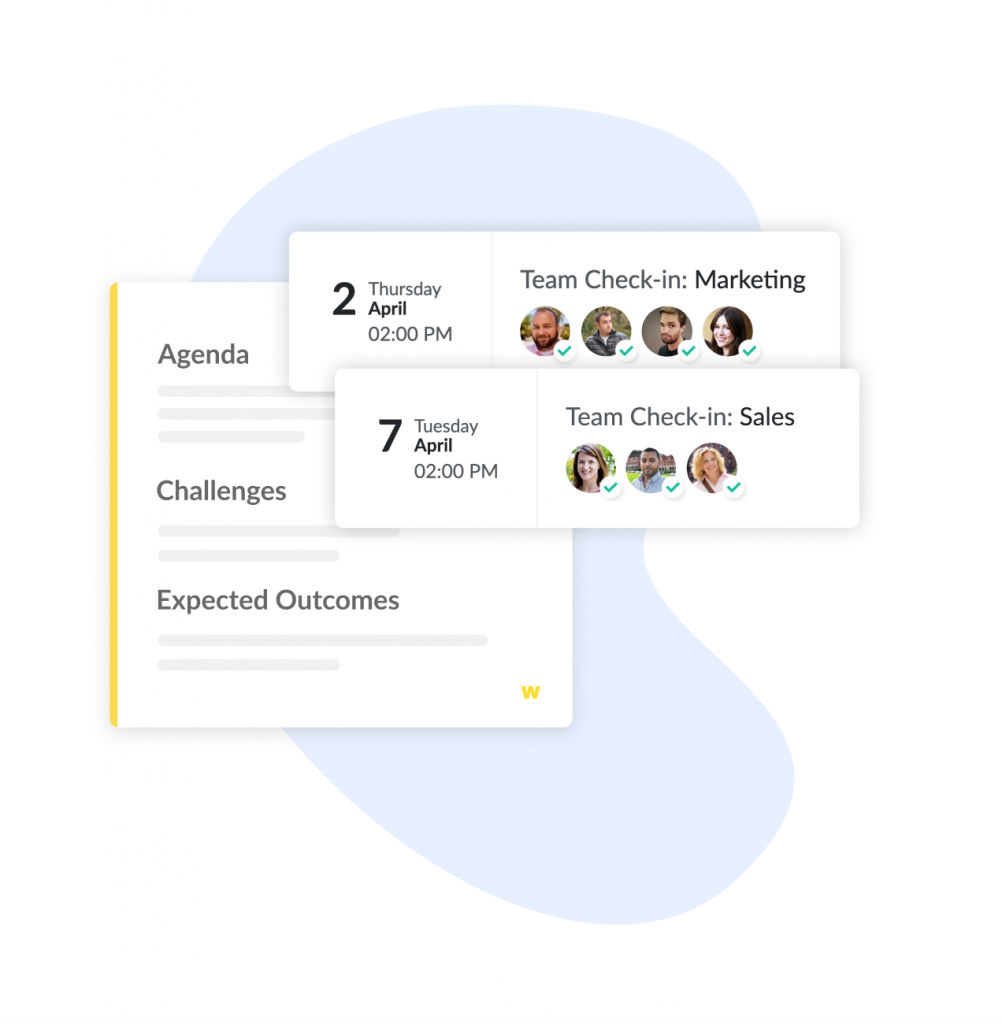
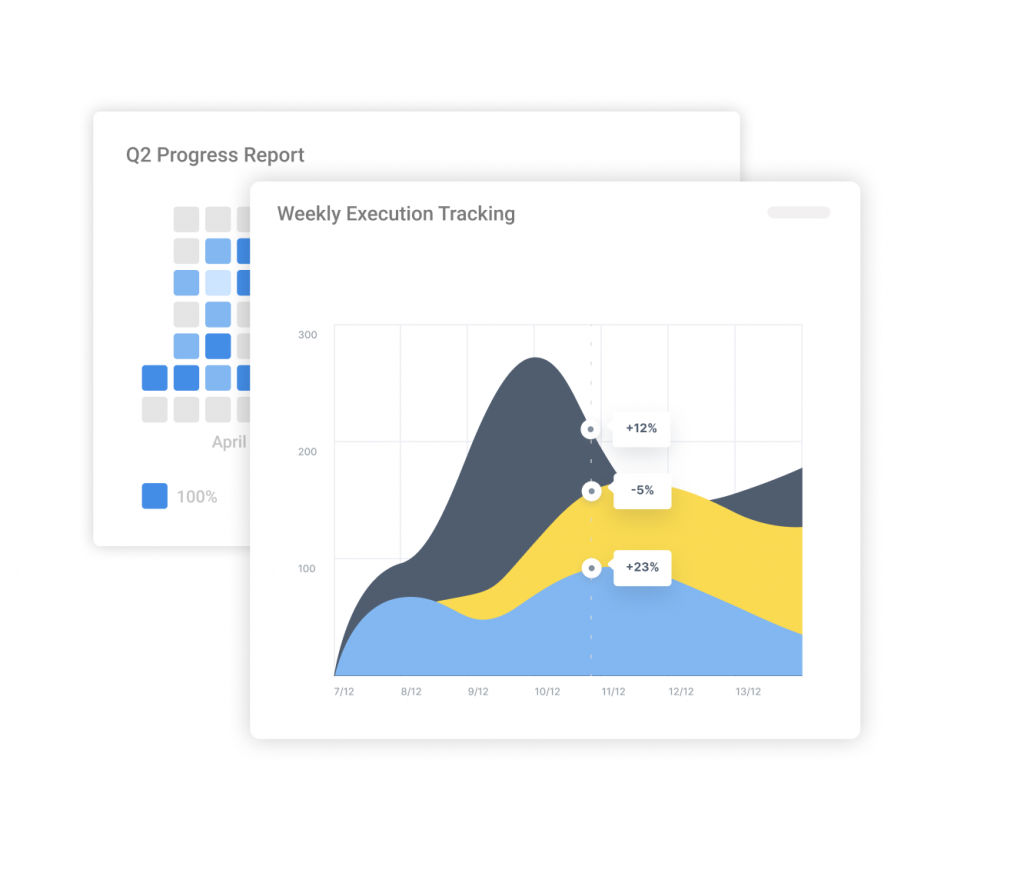
That’s why we have designed Workpath with a focus to align teams on common goals and help companies to develop towards their vision of an agile enterprise. We offer a comprehensive all-in-one-enablement training and a platform that is easy to use for a high user engagement. Our analytics capabilities differ from our competitors, as they focus on more effective strategy execution and not just the success of their OKR cycle. We also incorporate various process metrics that help the organization to develop its underlying structure and processes.
6) What is your go-to-marketing strategy to reach out to potential users?
Our main goal is to unite experts, expertise, and technology to create long-lasting relationships with our users and grow with the community. There are several sources that feed into this goal.
1. Content and expertise: Many of our customers find us through the content we provide when they search for answers. Our e-learning, playbooks, guides, templates, magazine, or the podcast provide them with answers.
2. Events and community: We help leaders to connect with peers on the same journey. On events like the Workpath Quarterly or the OKR Forum, people exchange and share their experiences with our platform.
3. Partners: We work with leading consultancies like BearingPoint that help their customers to introduce new agile operating models and strategy execution processes, they recommend and introduce Workpath as the best-of-breed solution for larger enterprises.
4. Enablement and training: We provide a holistic training experience and make sure that all relevant roles in an organization receive the necessary enablement to use our tools.
7) How the ongoing pandemic has affected Workpath?
Only after a few weeks we could see that companies that have already adapted to agile working and our tool were more stable and able to cope with the new circumstances, as they were already used to short planning cycles where the team regularly assesses the situation and re-evaluates priorities. But, of course, the pandemic made it more difficult to talk to prospects due to budget freezes and the uncertainty. However, we see increasing interest as many companies are beginning to question their business model as well as their strategy and structure and look for ways to become more resilient and adaptive to change.
That’s why we are convinced that, in the mid-term, we will see 2020 as a turning point for us and the working world, and even parts of our society. The pandemic clearly is a decisive catalyst for the future of work as a lot of companies suddenly realized what is possible. They were forced to accept and allow certain things, they were more open to experimenting. All of this has a positive impact on Workpath and our development. And we can see this in the numbers of organizations that are approaching us.
8) What are your favorite SaaS products out there?
One of the key aspects of our philosophy and our day-to-day-activities is communication. That’s why Slack is essential for me (even though Microsoft Teams is a viable alternative). For CRM, I really like Salesforce, even though HubSpot might be a better starting product for smaller teams. We also use Productboard for our product management and Figma for our design work (which I still love to work with). We also use Personio for our people operations and Jira for software development and project management.
