

SaaS or Software as a Service has become very widespread in the recent past. Even the general public uses SaaS on a regular basis. Just think of apps like Netflix or SoundCloud. They’re simply SaaS models being offered to the general public. Such is the high demand for SaaS that food aggregating apps are joining the bandwagon. Restaurants are now depending on SaaS-based CRM tools, reservation automation systems, inventory management software and POS or point of sale solutions to try and get back some of the business that they lost during the pandemic. The requirement for restaurant SaaS tools has grown in conjunction with meal delivery apps like Swiggy and Zomato.
Table of Contents
Role of SaaS in the Restaurant Scenario
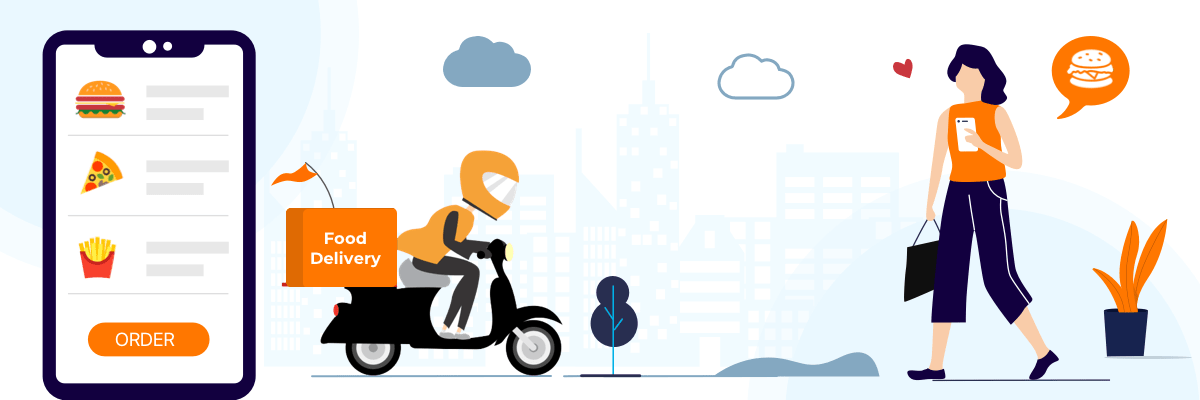
Usually, restaurants would regularly list on various food platforms, with each platform having its own backend software. Managing multiple orders on different platforms during peak demand timings is tough. There’s a need for a separate software platform, aggregating all live orders on a single dashboard so restaurant owners can manage multiple orders. This is why the need for restaurant SaaS started in the first place.
Swiggy and Zomato – Growth and Expansion

Despite expanding to more than 500 cities, including Tier 2 towns, both Swiggy and Zomato process more than a million orders these days. However, these figures do not correlate to actual profits which is why both aggregators ventured into the grocery delivery space to generate additional revenue. Swiggy has its Instamart instant commerce service which is currently processing a million orders. Zomato is in discussions to join Blinkit, a 10-minute grocery delivery app that was formerly grofers. Grocery delivery is a method to optimize the food delivery fleet during off-peak hours. Both Swiggy and Zomato’s entry into the restaurant SaaS category could result in market share struggles.
Zomato has ventured into SaaS acquisitions, the most recent of which being a 5 million dollar acquisition of a restaurant management platform named UrbanPiper. Zomato wants a 5\% share in the firm as part of a larger 24 million dollar investment. Swiggy is in negotiations to purchase Dine Out for around 35 to 30 million USD. Dineout develops point-of-sale or POS software, and is a leader in the online restaurant reservation area, also providing SaaS technologies. Swiggy might be able to use the transaction to get the labor and tech stack that it requires to make inroads into the restaurant SaaS market.
Future of SaaS in the Food Delivery Domain

The Indian food delivery scene is positively booming. It is expected to cross the 10 billion dollar GMV mark by 2025. Currently, though, there’s a major strategy change in progress. Swiggy and Zomato are venturing into new areas, and India’s restaurant industry has shown fresh interest in software tools and tech products that complement revenue. Restaurants are depending on SaaS-based CRM tools, inventory management software, reservation automation tools as well as POS solutions, so they can make up some of the business lost due to the pandemic.
Restaurants are no strangers to software. CRM and industry management tools have been in use for quite some time now, even among large restaurant chains. In fact, smaller unorganized restaurants have also begun adopting SaaS tools. Experts indicate that the need for SaaS tools came up alongside the rise of the food delivery apps themselves. Since restaurants list on multiple platforms with each platform having its own backend, during peak demand timing, problems could occur. There’s a distinct need for separate software platforms that could aggregate all live orders on a single dashboard, which is why the need for SaaS started in this context. With billions of orders coming in, the restaurant sector would do well to adopt SaaS tools so as to ensure smoothness in running.
To read more intriguing articles like this, visit the SaaSworthy Blog!
