

For SaaS businesses, the onboarding experience provides an opportunity to ensure that every customer benefits from your product. Thus, the goal is to make users feel more engaged and assist them in realizing the value they promised when they go through the journey.
To increase your activation rates, you must show your users the value as early as possible. Growth hacking could speed up the process by encouraging users to take action today instead of waiting for later.
Learn what is adequate for your company by playing with various effective strategies for activating customers. Let’s get going.
Table of Contents
What is Customer Activation?
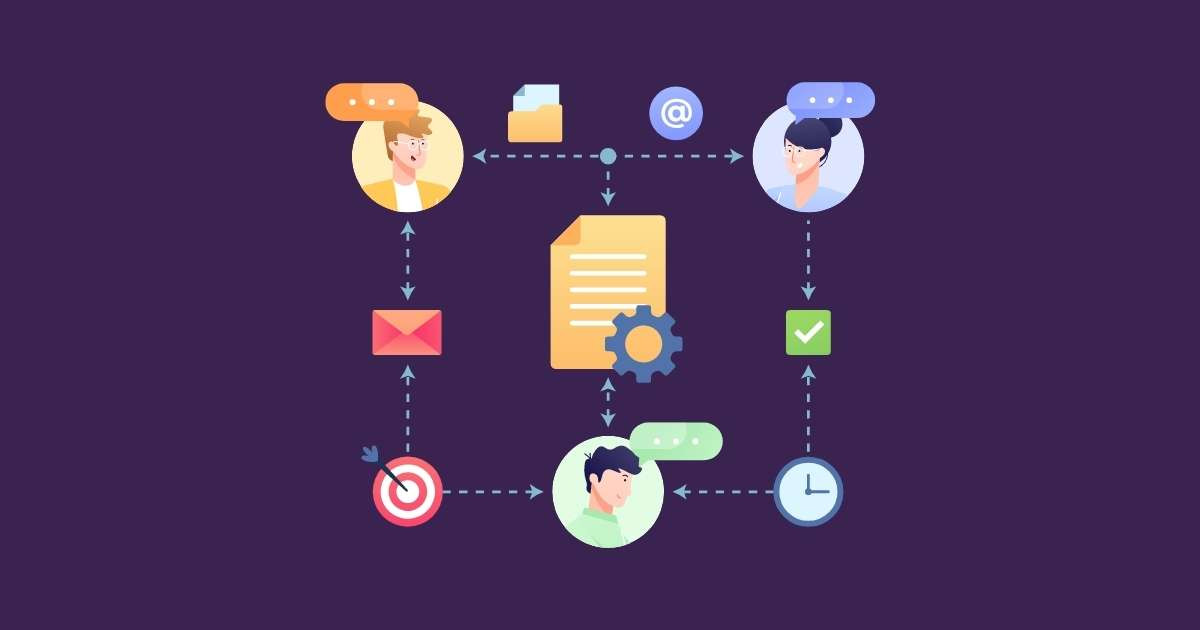
Customer activation is when your users start to appreciate the benefits of your product. To get to that “activation” point, customers need to participate in a series of critical activation steps.
The first step is to identify the critical aspects of your product or service and determine precisely how these features will aid them in solving their problems.
Why your SaaS Business needs an Activation Strategy?
For a SaaS company, just 25\% of trial users go on to premium. The result is that 35\% of people initially attracted to the service do not proceed to the next level within sales—the SaaS selling process. Suppose there isn’t a memorable customer experience during the activation process. In that case, prospective customers won’t be enticed to sign up for the subscription and may decide to drop out or look at different brands before their trial.
An activation strategy is a strategy that outlines when and how to interact with users — keeps your prospects engaged with your brand and product throughout the buying process. Your customers will appreciate the premium SaaS product’s worth as they continue learning to use your SaaS solution and reap the benefits of your trial or freemium service. This could lead to a more excellent cost-to-pay conversion for your company. A strategy to activate customers will aid your marketing and sales teams in saving time.
You’ll have a plan for your success so that you don’t spend time and effort on ineffective SaaS marketing or unproductive strategies. Let’s have a look.
Top 7 Components of an Effective Customer Activation Strategy
Creating a successful customer activation strategy is a multi-step procedure that requires you to consider the types of users you have for free and what they do, and what they need from your brand experience to sign up for a paid subscription.
In writing every element of your activation plan, think about customer data and insights to ensure that you’re making intelligent and informed choices that result in more successful closings.
1. Properly Draw the Map of the Customer Journey.
Customer journey maps will help you visualize how your customers progress throughout the sale funnel, from when they sign up for your free trial or freemium service until customer activation.
To gain a better understanding of the behavior of your users, you can determine the following behaviors:
- What does your typical lead do, think, feel, and do at every stage of the customer’s journey
- What channels can users with no cost use to connect with your brand? This includes social media sites as well as in-person interactions.
- What motivates customers to enter a new phase within their SaaS sales funnel
Recording data on those leads that do not convert and tend to disengage could also be beneficial. This way, you will know which marketing or sales activities don’t work, and you can modify your approach accordingly.
Also, determine the time your typical user remains at each customer journey phase. As you gain insight into your prospect’s behavior and behavior, you will be able to identify where you’ll need to improve your interactions so that your relationships with customers continue to grow instead of shrinking.
2. Customer Engagement Strategy
Your SaaS customer activation strategy must describe how you’ll be engaging users of your product for free throughout the entire lead lifecycle. Choose the strategies you’ll use to get your leads to engage with your product or brand. Then, determine the process you’ll employ to bring them toward activation. A good illustration of a nudge would be a marketing drip campaign that introduces users and customers to valuable functions of the SaaS software.
Each email can include easy-to-follow product instructions. It is also possible to provide case studies to demonstrate the advantages of your product during your drip email marketing campaign. Although nudges aren’t designed to push customers to buy, they assist them in understanding your SaaS product’s value.
Pushes are more robust strategies for customer engagement that motivate customers to make important choices to move into new areas in your pipeline for sales. An excellent message example could include an invitation to arrange an in-person meeting or a video call. You could send via a text messaging service. Remember your customer personas and the customer journey maps in mind as you develop the strategy for engagement.
Different approaches work for different audiences, so you should tailor your engagement strategy to your client’s requirements.
3. Find your Success Metrics
Any SaaS marketing campaign’s final step is establishing the success metrics. If you’re not clear on what success means, it’s impossible to judge if your actions are a viable option. Your KPIs should contain obvious ones, such as the conversion rate and revenue; however, they should also include metrics that don’t directly result in conversion but rather move prospects further down the funnel.
For instance, if you own a blog, you should keep track of the number of email opt-ins or free trials and paid conversions each blog post generates. If you have an evergreen demo on your site, it is essential to keep track of the proportion of visitors who want an actual demo or paying conversions.
You must identify the most critical marketing touchpoints that are likely to bring prospects further along the buying process and then improve the touchpoints.
4. Make It Easy to Sign Up
Signing up for your SaaS product should be as smooth and straightforward as possible. The quicker you can get people to experience products, the faster they’ll be able to begin enjoying the advantages. Sign-up should only take a couple of minutes or less.
Only request the required details for signing up or provide users with the possibility of creating an account on a third-party platform, such as Google or Apple.
If there is less friction when you create your account, Your conversion rate will be greater.
5. Be Honest About Your Price
Your pricing information must be posted on your site without any small print. Customers interested in purchasing your product should know the exact amount they have to pay for it and what’s included in the price.
If potential customers can’t locate pricing information, it instantly raises doubt in their minds. Pricing information must be clear about the options available at every price tier.
Multiple tiers permit customers to choose the best suits their needs and budget. A table showing precisely what features differ as you move up the tiers can help clarify this information.
6. Develop a system to collect, share, and implement feedback from customers
Collecting customer feedback is vital to understanding their preferences, needs, and experience with your product. The customer service team of your company is in the best position to get feedback from customers regularly through:
- In-app surveys like customer satisfaction (CSAT) and net promoter score (NPS) to assess customer satisfaction.
- They request online reviews on websites like Capterra, Trustpilot, or G2. Although inspections can be positive or negative, positive ones can be fantastic social proof for your business.
- For instance, you can share essential quotations — from emails sent to customers or phone calls — on the internal Slack channel designed explicitly for collecting customer feedback.
- The most crucial thing to remember: If your team’s customer success takes time to collect feedback from customers to use, then make sure you utilize the feedback. It shouldn’t end up in a spreadsheet to be left to rot in the dust.
The process of collecting feedback is only the beginning. After you’ve collected feedback from various clients. It is possible to examine patterns and apply that feedback throughout the company, for example, to help guide the message on your site for marketing or incorporate it into your product plan of action.
7. Create customer satisfaction as the first goal for your SaaS business
The earlier you focus on your customers’ success, the more straightforward it is. Finding a dedicated customer success manager in the early stages will allow you to create a customer-focused company. This will let you know that your customers are the top priority:
You’re investing time, energy, and money in helping them achieve success in your product and business.
However, if you’re planning to create a customer-focused SaaS business, it won’t be just the job of your team to be responsible for customer satisfaction. Customer centricity must be a shared mindset throughout the business.
Conclusion
Good products are the core of any company that succeeds. However, it takes more than just a top-quality product to succeed in today’s market. It’s crucial to have an established SaaS marketing strategy and implement it. In the above strategies, start with the low-hanging fruits, for example, making the sign-up process easy and ensuring that your pricing structure is clear.
Then, move to more time-intensive digital PR and content marketing strategies. Keep a steady watch on your key performance indicators and adjust as needed. If you can trust this process, you’ll begin seeing results.
