

A method of distributing applications over the Internet as a service is known as software as a service. You can avoid complicated software and hardware maintenance by just accessing software over the Internet rather than installing and maintaining it. SaaS apps were straightforward web-based utilities like email, project management, and customer relationship management (CRM) programs. These programs don’t require users to install and maintain software on their own computers because they can be accessible using a web browser.
The go-to option for a variety of operational demands in the modern company landscape is Software as a Service (SaaS). Cloud-based software programs designed specifically to meet the particular requirements of particular businesses or market segments are referred to as SaaS. SaaS has changed the game for companies of all sizes since it is affordable and scalable. Beyond its financial benefits, SaaS adoption, however, provides a key to environmental advantages that are worthwhile investigating.
Table of Contents
Introduction to SaaS and Sustainability
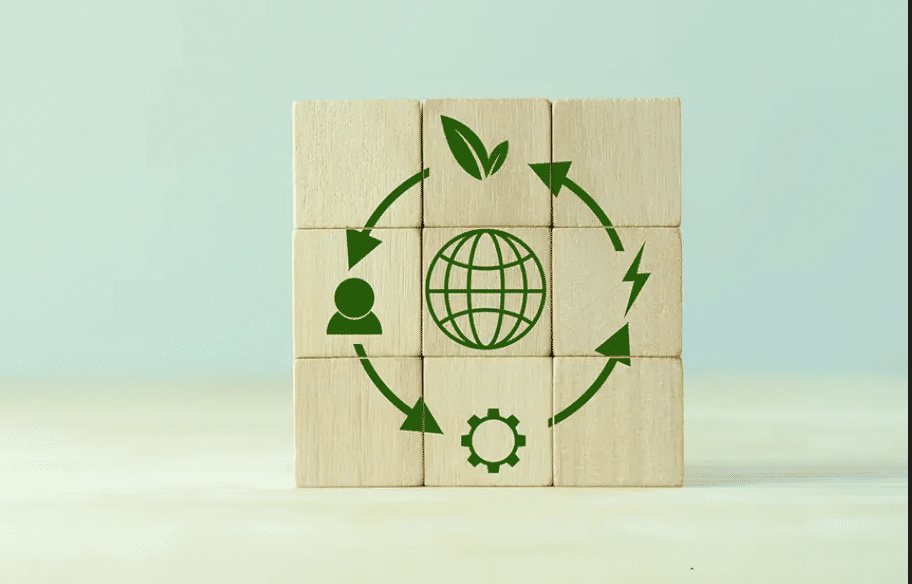
The global tech sector has undergone a full upheaval thanks to SaaS enterprises. It flourished despite the epidemic, demonstrating the essential role that the SaaS platform would play in the expansion of enterprises around the world. SaaS companies have outperformed traditional software companies globally, and businesses are choosing them over on-premise solutions because of their cost-effectiveness and adaptability.
A durable SaaS company will have higher market profitability and a stronger reputation. Additionally, it increases employee satisfaction and increases investor appeal. Building a sustainable SaaS company while following every guideline is quite difficult. However, in the long run, even the smallest efforts add up, and the benefits are justified.
The Environmental Impact of Traditional Business Software
These are typically used to host on-premises software applications, traditional data centers have long been recognized as energy wasters. These data run and cool servers with enormous quantities of electricity. On the other hand, SaaS providers have taken the initiative to implement energy-saving methods in their data centers. By combining resources and maximizing server use, they significantly reduce energy consumption. To further improve the sustainability of their operations, some forward-thinking SaaS companies invest in renewable energy sources.
Energy-Efficient Data Center and Cloud Computing
- Similar to electrical grids and roads, cloud computing has evolved into a crucial component of modern life. It provides pay-as-you-go subscription-based computing services anytime, wherever, and is the foundation of the modern economy. As new kinds of applications continue to be developed and are powered by a great number of newly developing networked devices, their use is increasing tremendously. However, because cloud computing uses a significant amount of energy, its development has brought about a new global energy dilemma.
- The main computer platform for hosting corporate and governmental applications is now the cloud. However, the execution of applications is what current Cloud computing services offer, with little focus placed on making Cloud more sustainable and energy-efficient. Since DCs are expected to use 20\% of all electricity worldwide by 2025, this problem will become even more urgent. By delivering a quantum leap in energy efficiency and sustainability for next-generation cloud computing, we hope to address this pressing issue. We do this by addressing energy efficiency through integrated management of all resources and QoS requirements of applications.
SaaS Solutions Reducing Carbon Footprints
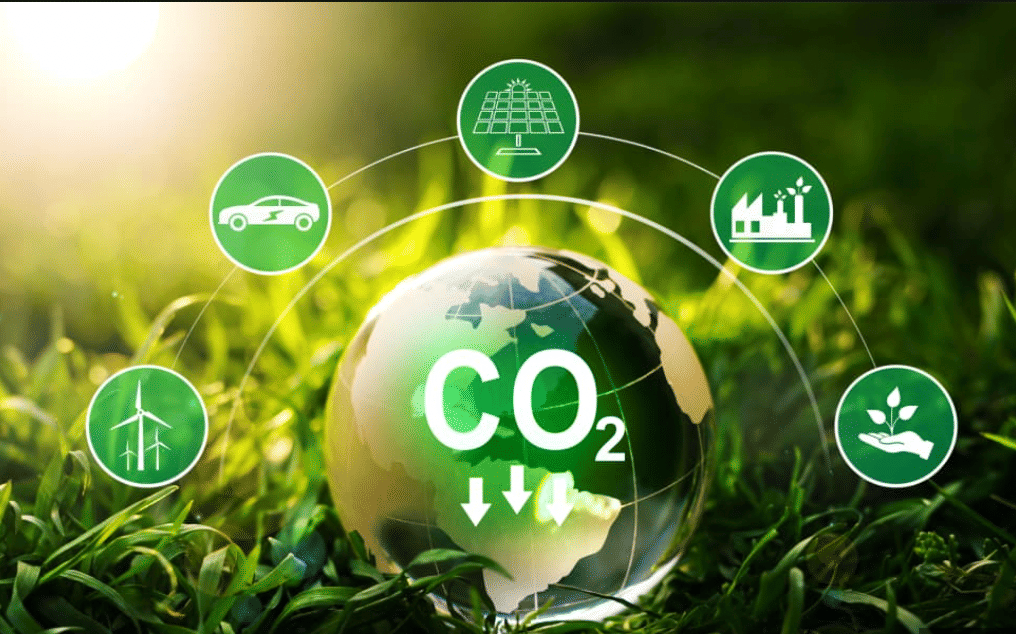
- A company’s carbon footprint is decreased by cloud computing, which results in less emissions and more use of renewable energy. due to their considerable expenditures in IT efficiency as well as renewable energy, they can be up to 93\% more energy-efficient and up to 98\% more carbon-efficient. A billion tons of metric tons of CO2 might be cut out of the atmosphere thanks to cloud computing. There are many ways that cloud computing can aid in lowering carbon emissions.
- One of the most important methods is through enabling more effective resource use. Organizations can cut back on the requirement for their own servers and data centers, which can be energy-intensive to operate, by employing cloud-based services. This may result in large drops in energy use and, consequently, carbon emissions.
SaaS for Green Supply Chain Management
- Chain of Supply Sustainability Your business can make judgments about the whole supply chain thanks to software. It is a safe software-as-a-service (SaaS) platform that helps businesses to build environmentally and socially responsible supply chains. Supply chain management is undergoing a transformation thanks to SaaS solutions, which provide a wide range of advantages that encourage process improvements, boost productivity, and cut costs.
- These cloud-based technologies allow for seamless collaboration and integration across different supply chain stakeholders, ensuring real-time data sharing and visibility throughout the whole ecosystem. Only 6\% of companies think they have complete supply chain visibility, thus those who use real-time supply chain visibility solutions can dominate their competitors. SaaS-based AI and ML technologies are revolutionizing the way companies manage their supply chains. These solutions can predict customer demand, recommend optimal inventory levels, optimize pricing, and monitor performance metrics in real-time.
Sustainable Resource Management with SaaS
- Scale-ups can learn a lot from experiencing rapid expansion. It can indicate achievement, but it can also indicate failure. Growing businesses go through a lot of growing pains, which might reduce their lifetime. Organizations experience similar pains everywhere, but especially with SaaS, which poses a scalability difficulty.
- Enterprises can set up a method for monitoring indicators linked to their environmental, social, and governance goals with the aid of sustainability management software. Additionally, it can assist businesses in communicating with stakeholders like investors, clients, and customers about ESG issues. It is a large subject with a variety of techniques available to resolve individual puzzle pieces or bring data from numerous ESG and sustainability effort components together.
- Tools for sustainability management also assist in developing scenarios that help businesses comprehend the steps they may take to lower their carbon footprints.
Carbon Accounting and Emissions Tracking Software
The measurement and analysis of a company’s direct, acquired, and indirect greenhouse gas (GHG) emissions is known as carbon accounting. It functions much like financial accounting does, but instead of concentrating on the financial impact, it takes into consideration the impact of climate change by quantifying total GHG emissions and the source of those direct and indirect emissions.
Why Carbon Accounting Software?
- Usability – Despite having strong capabilities, the program should be simple to use, require little training, and be quick to set up. Companies may require help to comprehend how their business actions affect emissions and how to reduce those emissions, particularly those new to carbon accounting.
- Time to implement – Yesterday was the best day to begin monitoring your emissions data and energy usage. The software should begin performing computations and offering useful information as soon as possible.
- Cost – For enterprise solutions, carbon accounting software can cost anywhere from thousands and hundreds of thousands of dollars. To scale your organization, you need to look for a cost-effective option.
Future Trends and Innovations in Sustainable SaaS
SaaS is a software delivery strategy that provides businesses with a lot of flexibility and cost-effectiveness, making it a very dependable choice for many company models and industries. Because of its ease of use, user accessibility, security, and extensive connectivity, it is also well-liked by businesses. Software-as-a-service platforms, in turn, streamline business models to achieve optimum efficiency throughout.
Today, a startling 70\% of businesses use cloud-based software to automate several parts of their business processes, such as sales, project management, and data organization. By 2025, 85\% of business applications are expected to be SaaS-based, according to projections. This trend is being fueled by SaaS’s ongoing development.
Challenges and Barriers to Adoption
SaaS adoption benefits the environment, but there are negatives as well. The overall carbon footprint of SaaS is still largely determined by the location of the data center and the source of the electricity. Businesses must take these factors into mind when choosing their SaaS suppliers. The increasing global proliferation of data centers also raises questions about their long-term viability and energy consumption. The single biggest factor preventing firms from getting the maximum value out of SaaS and ultimately losing money is a lack of a clear adoption strategy and budget.
Conclusion
The environmental impact of SaaS is a strong argument for adopting this technology, even though these factors account for the majority of its adoption. SaaS is aligning with international efforts to create a more sustainable digital landscape, from energy-efficient data centers to decreased hardware waste and innovative green initiatives. It provides visibility, boosts communication, and optimizes IT infrastructure. Predictive analytics and intelligent automation are improved by combining AI and machine learning. Knowing that their choice of SaaS can help create a greener future, businesses can traverse the digital age with a feeling of responsibility.
