

Customers are the most critical aspect of your business. SaaS customer support is an essential part of any business strategy. SaaS customer service allows you to build stronger customer relationships. Customers can contact customer service directly to receive assistance in resolving their problems.
This is a great way to build loyalty and establish a lasting relationship. If done right, SaaS customer service can significantly impact your bottom line, retention, product design, and digital adoption. Let’s get going.
Table of Contents
What is SaaS Customer Support?
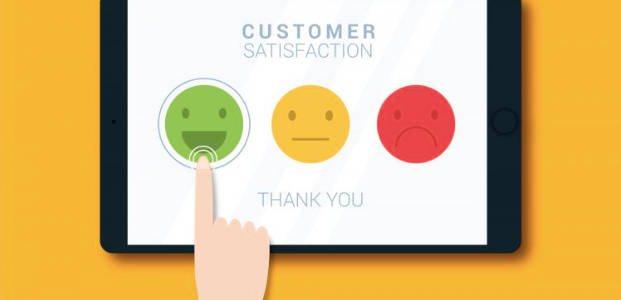
SaaS customer service provides support and assistance to customers of your SaaS products. SaaS customer service allows you to build strong relationships with your clients, from helping them make informed purchasing decisions to supporting post-deal needs.
SaaS, customer support groups serve as a point for direct customer contact and provide resolutions. Your customer service representatives can assist customers with any questions or challenges.
What does this have to do with SaaS Customer Feedback Strategies?
There is always competition when you have a large target audience. SaaS-based tools and architecture are becoming more popular. This means that you will face stiff competition from similar SaaS products. You must ensure your products are in line with users’ expectations and needs to stay ahead of the pack.
Step into the shoes of your users to achieve this. Focused customer feedback strategies can help you stimulate overall SaaS growth. This includes delivering the best SaaS-based solutions, retaining customers, and bringing in new ones.
This guide will show you how data-backed approaches can help prevent acquisition costs from spiraling out of control and increase customer lifetime values. Let’s take a look.
Importance of Customer Feedback for SaaS Growth
SaaS customer service is one of the most effective ways to learn about your customers’ experience with your company. This is an invaluable resource for product and engineering teams, allowing them to influence future planning. SaaS support also allows customers to connect with real people within your company.
Your customer support staff’s values and conduct define your company’s reputation. A positive reputation can help customers retain you better than the software product.
Your support team is crucial in retaining customers with high churn rates and increasing competition. Your SaaS strategies should include customer feedback.
These are some excellent reasons to support this argument;
- Only SaaS customers can tell you what features they would like in your product.
- Regular customer feedback can help you spot product-breaking bugs and broken paths.
- It is possible to determine if the issue was an isolated, one-off incident or a bug that affects multiple SaaS clients.
- Before releasing any new features, you can ask for feedback and run beta testing to gather feedback.
- You can use the feedback from your SaaS customers to create happy clients by providing seamless service.
- You can collaborate with the marketing team to develop SaaS content marketing strategies that maximize your ROI.
Customer feedback is a powerful tool to help you grow your SaaS company.
Top 7 Customer Feedback Strategies for SaaS Growth
1. Get a Pulse on Customer Satisfaction
Customer feedback management has a great benefit. It allows you to understand better what customers like and dislike about your product. Your customers are the best people to test your product. They can give honest and objective product feedback on what is working and what isn’t. If most customers are happy with your product, you can focus on adding functionality to improve the customer experience. If you discover that your customers are dissatisfied with your product through feedback, it might be time to examine what you have and determine why it isn’t working for them.
2. Seamless customer onboarding
SaaS customer Onboarding is designed to integrate your product into customers’ daily lives with minimum friction. SaaS Onboarding doesn’t mean users must be taught how to navigate a learning path or what buttons to click. Customer success is achieved by helping customers reach their goals. It helps users adopt and get onboarded across all your applications through personalized guidance and embedded learning-by-doing. It helps customers quickly develop high levels of application proficiency. This allows them to get better results quicker.
3. Establish a Close Relationship Between Support and Product
SaaS customer service reps spend most of their time speaking directly with customers. They know their needs, their struggles, and their communication style. Customer support representatives should participate in product team meetings to foster collaboration in the team environment.
They should also share customer feedback with development and product teams. Survey responses can highlight customer experiences and help to prioritize building relationships between departments.
Your focus will be on the customer by establishing strong relationships between customer service and the rest of the company.
4. Defined Customer Service Philosophy
Customers will appreciate and value meaningful support clearly defined by a set of goals.
Your perfect strategy will be formed by answering questions about your preferred tone and voice, how you handle customer frustrations and escalations, and what sets you apart from your top competitors.
5. Highly-Trained Customer Service Reps
Your customer service model is built on the foundations of your SaaS customer support representatives. Your business’ success directly depends on how they interact with customers. In a research, it was found that 68\% of customers think a friendly customer service representative is the key to great customer experiences.
Although your support representatives may be familiar with your software product’s basics, providing ongoing, consistent training on your products and how to connect to customers is essential.
Along with customer service and technical training, you can coach them in soft skills such as empathy, active listening, and problem-solving.
6. Use Live Chat
Live chat is a favorite of ours. Live chat is a great way to communicate with customers if you’re an avid internet user. A chat box will appear when you visit a website or scroll down a page. It all depends on how the company sets this resource up. Your company will get more leads if you respond quickly. It is an excellent opportunity for your customer to solve problems quickly instead of filling out forms, sending emails, and waiting 2-3 business days for a reply.
We have some good news for you: Installing a live chat plugin can be affordable and allow you to get closer to your customers. Identifying patterns and recurring issues in your communication, software development, or other areas is possible. These patterns will help you to understand the issues and provide a long-term solution.
7. Send a Feedback Newsletter
Your customer relationship can be elevated to a whole new level. Email marketing automation is one of customer support’s most popular marketing tools.
It is crucial to use it to your company’s advantage. A newsletter can help you connect with your customer and provide “human contact” and proximity.
What about creating fun content and getting feedback?
Do not be boring and monotonous. Get creative! You will find additional options for using your email to gather survey feedback.
Conclusion
Companies are constantly receiving product feedback. It is crucial to properly manage and categorize the feedback to create a record for your team to validate your product development efforts. Listening to your customers will help you improve your product and prioritize the features that significantly impact your business.
