

Businesses constantly search for ways to improve their offerings while keeping costs low. One popular approach is white-label Software as a Service (SaaS). This model allows companies to take existing software, rebrand it as their own, and sell it to their customers. White-label SaaS offers a quick and affordable way for businesses to enter the market, providing competitive solutions without spending heavily on developing new software from scratch.
Table of Contents
What is White-Label SaaS?
White-label SaaS refers to software created by one company that another business can rebrand and sell under its own name. Companies pay to use this software, replacing the original branding with their own logos, colors, and designs, so it appears as if they built it themselves. This lets businesses offer advanced services without needing deep technical expertise.
Key Features Include:
- Rebranding: Businesses can add their own logos and design touches.
- Ready-Made Solutions: Fully developed software that is ready to use.
- Subscription-Based Models: Often available for a recurring fee, making it cost-effective.
Benefits of White-Label SaaS
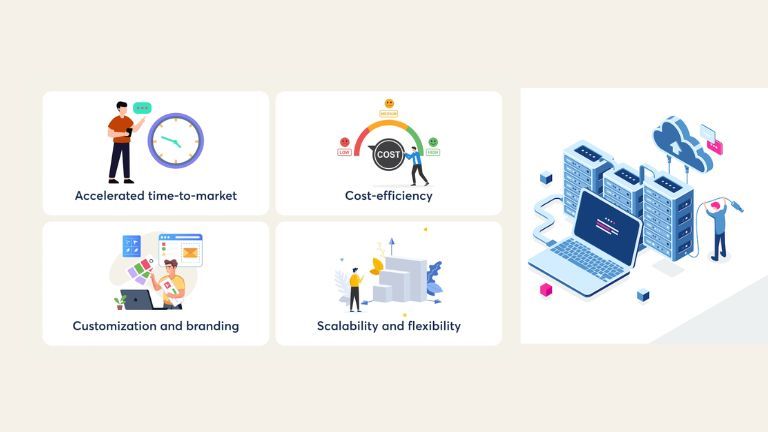
- Faster Time-to-Market:
White-label SaaS lets businesses quickly launch new products by using pre-built software. There is no need to wait months or years for custom development. - Cost Savings:
Building software is expensive. White-label solutions cut costs since you only pay to use and rebrand an existing product. - Focus on Your Strengths:
With software development handled by someone else, companies can concentrate on marketing, customer service, or whatever they do best. - Access to New Tech:
White-label providers frequently update their software with the latest tech, so businesses benefit without needing to invest in updates themselves. - Improved Branding:
Selling software under your own brand builds customer trust and loyalty. - Easy Scalability:
White-label solutions are designed to grow with your business, letting you expand as demand increases.
Challenges of White-Label SaaS
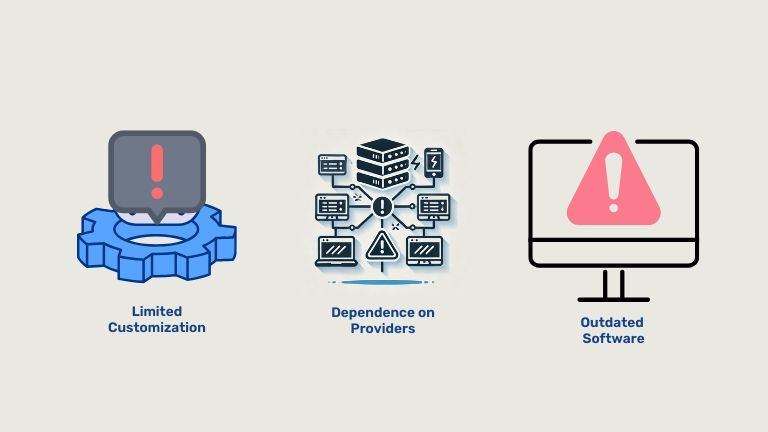
- Limited Customization:
Customizing white-label solutions may be limited compared to building software yourself, which can restrict unique changes or features. - Dependence on Providers:
Businesses rely on their software providers for updates, maintenance, and support. Any failure on the provider’s part could impact your business. - Risk of Outdated Software:
If the provider doesn’t keep up with technology, businesses using outdated white-label software may fall behind competitors.
Also read: Vertical SaaS Statistics and Key Trends: Insights Driving Industry Growth for 2025
Future Trends in White-Label SaaS
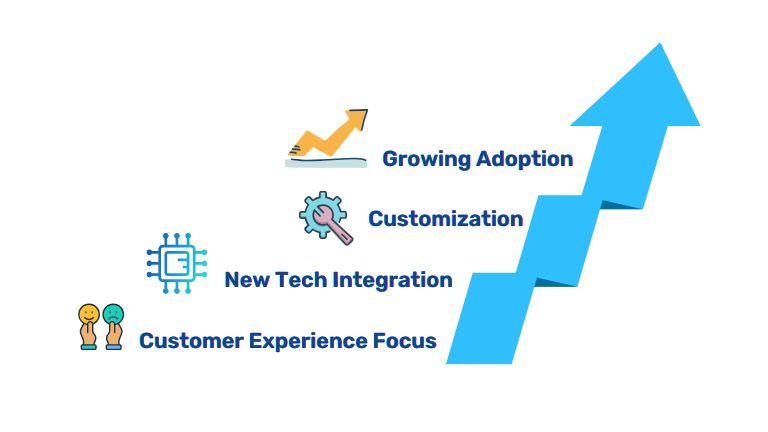
- Growing Adoption:
Expect more industries—from healthcare to e-commerce—to use white-label SaaS as digital transformation expands. - Niche Focus:
Providers will create more specialized, tailored solutions rather than broad, one-size-fits-all products. - New Tech Integration:
Emerging technologies like artificial intelligence (AI) and blockchain will be included in white-label offerings, improving their usefulness. - Customer Experience Priority:
As competition grows, businesses will prioritize white-label software that provides a smooth and user-friendly experience.
White-Label SaaS in Numbers
- 73% of businesses use white-label solutions to offer customized services.
- The global SaaS market is projected to reach $325 billion by 2028.
- 90% of organizations see SaaS as a driver of innovation.
- Companies using white-label solutions can reduce their time-to-market by up to 50%.
Conclusion
White-label SaaS is a smart move for businesses wanting to expand their services quickly and cost-effectively. By leveraging existing software under their own brand, companies can get to market faster and focus on what they do best. While challenges like limited customization exist, the advantages of white-label SaaS often make it a worthwhile investment.
FAQs About White-Label SaaS Solutions
What are the main challenges businesses face when using white-label SaaS solutions?
Businesses using white-label SaaS often face limited customization options, restricting their ability to fully tailor the software to their unique needs and potentially reducing market differentiation. Another challenge is heavy reliance on the provider for updates, maintenance, and support; if the provider underperforms, it can impact the business’s reputation and customer satisfaction. Additionally, there is a risk of the software becoming outdated if the provider does not keep pace with technological advancements.
How does white-label SaaS impact customer loyalty and retention?
White-label SaaS can enhance customer loyalty and retention by allowing businesses to offer polished, feature-rich solutions under their own brand, fostering trust and recognition among customers. A cohesive branding experience coupled with effective software can strengthen customer relationships and encourage repeat business. However, a poor user experience, inadequate software updates, or lackluster customer support from the provider can erode loyalty, emphasizing the need to choose a reliable white-label SaaS partner.
What industries benefit the most from white-label SaaS solutions?
Industries such as e-commerce, healthcare, finance, marketing, and education gain substantial value from white-label SaaS solutions. For example, e-commerce platforms use these tools for managing customer interactions and online sales, while healthcare providers rely on them for telehealth and patient management. The flexibility and speed of white-label solutions enable these sectors to quickly adapt to market demands, making them ideal for industries that require specialized and rapidly deployable software.
How do white-label SaaS providers ensure data security and compliance?
White-label SaaS providers maintain data security and compliance by employing encryption, conducting regular security audits, and adhering to industry regulations like GDPR and HIPAA. They implement strong access controls, multi-factor authentication, and continuous system monitoring to detect and mitigate security threats. Providers also partner with reputable cloud hosting services and maintain compliance certifications, ensuring businesses can deliver secure, legally compliant solutions to their customers.
What are the long-term cost implications of using white-label SaaS?
In the long term, white-label SaaS offers cost advantages through reduced upfront development costs and predictable subscription-based pricing. However, licensing fees, feature upgrades, and user volume changes can affect costs over time. While the reliance on a provider may incur additional expenses, businesses often find that scalable, regularly updated software reduces maintenance and innovation expenses in the long run, providing sustained value and cost efficiency.
