

Plagiarism remains a significant concern in academic and professional environments, impacting the integrity of educational institutions and the credibility of scholarly work. Understanding the prevalence and implications of plagiarism is essential for educators, students, and researchers alike. This article explores various statistics related to plagiarism, highlighting trends, causes, and the effectiveness of detection methods. Before we dive in, have a look at our top picks:
Table of Contents
Prevalence of Plagiarism
Top Plagiarism Statistics
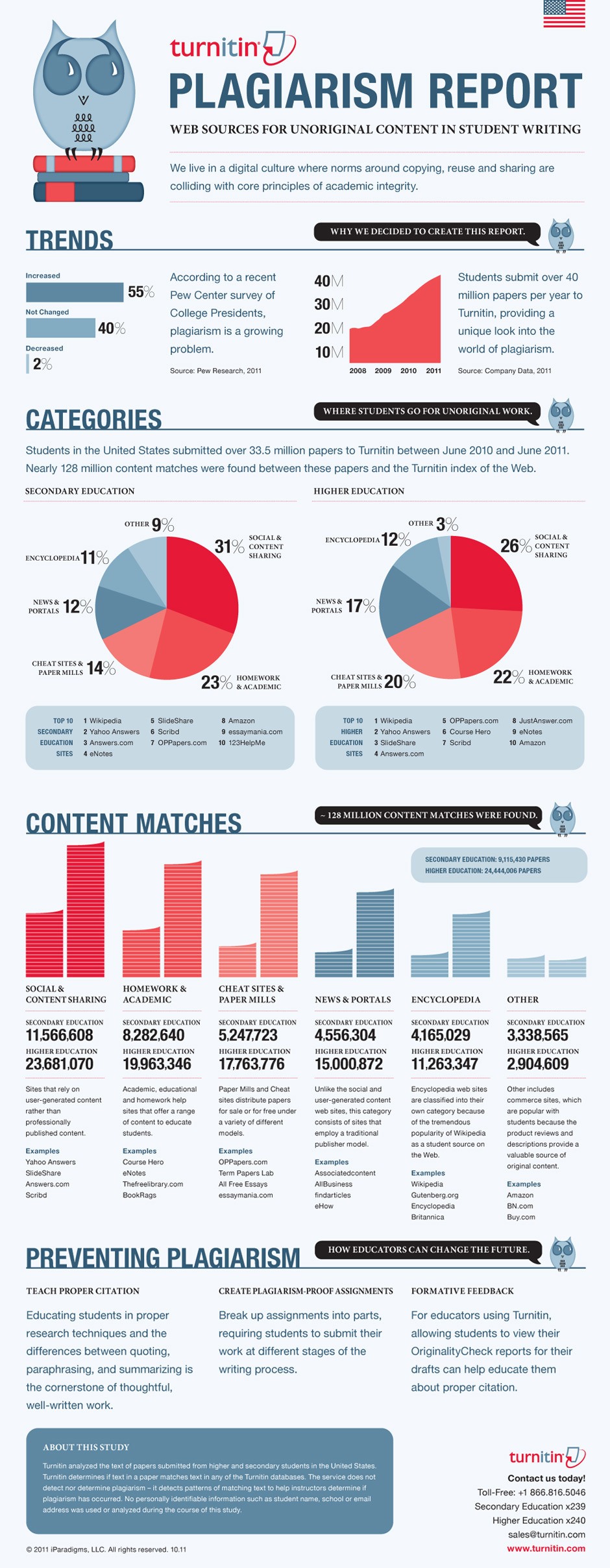
- Plagiarism is alarmingly common among students. A comprehensive survey conducted by the International Center for Academic Integrity (ICAI) revealed that 95% of students admitted to cheating on exams, homework, or plagiarism at least once in their academic careers1. This statistic underscores the widespread nature of academic dishonesty.
- Among 71,300 undergraduates surveyed, 39% reported cheating on exams, while 62% admitted to cheating on written assignments. Overall, 68% acknowledged cheating in some form1.
- In a separate study involving 17,000 graduates, 17% confessed to cheating on tests, and 40% admitted to cheating on written assignments.
- The issue of plagiarism has persisted over decades. For instance, a study from 1997 indicated that 36% of undergraduates confessed to plagiarizing written material2. This figure suggests that while awareness and detection methods may have improved over time, the underlying issue remains prevalent.
- One significant challenge in accurately measuring plagiarism is that much of it goes undetected or unreported. A case study highlighted that in a class of 42 students, 17% plagiarized their entire papers when scrutinized using a search engine2. However, this statistic only reflects those caught through digital means and does not account for other sources such as books or term paper mills.
Impact of Technology
The Role of AI and Plagiarism Detection Tools

With the rise of technology, particularly AI tools, the landscape of plagiarism detection has evolved. A recent report from Copyleaks indicated a 51% decrease in detected plagiarism from January 2023 to January 2024 across seven countries. This decline coincided with a 76% increase in the use of AI-generated content in student submissions5.
- In the United States, detected plagiarism rates dropped from 35% to 17%, while AI-generated content rose from 12% to 21%5. This shift suggests that while students may be using AI tools more frequently for content generation, traditional forms of plagiarism are declining.
- Plagiarism detection software like Turnitin has become a critical tool for educators. Research indicates that access to such tools significantly aids students in preparing original work7. However, reliance on these tools also raises questions about their effectiveness and the potential for false positives in similarity reports.
Acceptable Levels of Similarity
Determining what constitutes acceptable levels of similarity in academic writing is complex. Generally accepted thresholds suggest:
- General Academic Writing: 15-20%
- Essays: 20-25%
- Theses and Dissertations: 5-15%
- Published Journals: 5-15%
- Research Papers: 20-25%
- Term Papers: 15-20%64.
These percentages highlight that while some degree of similarity is permissible due to common terminologies and phrases, exceeding these limits can raise ethical concerns.
Also read: How to Take Meeting Minutes – Featuring Top AI Note-Takers
Causes of Plagiarism
Understanding why students engage in plagiarism is crucial for developing effective prevention strategies. Common reasons include:
- High academic expectations can lead students to resort to dishonest means.
- Many students do not fully grasp what constitutes plagiarism or how to properly cite sources.
- Procrastination can result in rushed work where students may copy material without proper attribution.
How to Prevent Plagiarism?
Educational institutions are implementing various strategies to combat plagiarism:
- Institutions are increasingly focusing on educating students about what constitutes plagiarism and how to avoid it.
- Many universities require submissions through detection software like Turnitin to discourage dishonest practices.
- Encouraging creativity and original thought through assignments that require personal reflection or unique analysis can reduce reliance on plagiarized material.
Common Methods Students Use to Plagiarize

Plagiarism manifests in various forms, and students often employ specific methods to circumvent academic integrity. The most common methods include:
- Submitting an entire paper or project written by someone else as one’s own work.
- Direct or Verbatim Plagiarism: Copying text word-for-word from a source without proper citation.
- Rewriting someone else’s ideas in different words without crediting the original source, which can still constitute plagiarism if the original idea is not acknowledged.
- Combining phrases and sentences from multiple sources into a new document without proper citation.
- Reusing one’s previous work for a new assignment without permission or acknowledgment.
- Citing sources inaccurately or fabricating references to give the impression of originality4.
These methods highlight the need for robust education on academic integrity and proper citation practices.
Differences in Plagiarism Rates Among Students
Plagiarism rates vary significantly between undergraduate and graduate students. Research indicates that:
- A study found that plagiarism rates among undergraduates can range from 19% to as high as 81%, depending on the specific institution and methodology used for data collection. For instance, 39% of undergraduates admitted to cheating on exams, while 62% confessed to cheating on written assignments25.
- Graduate students also exhibit notable plagiarism rates, with studies showing approximately 27% of master’s theses containing instances of plagiarism. In STEM fields, the rate can be as high as 42.6% for research proposals28. Despite their advanced education, many graduate students struggle with understanding academic integrity, leading to significant breaches.
Overall, while both groups engage in plagiarism, undergraduates tend to report higher instances of blatant cheating compared to their graduate counterparts.
Consequences for Students Caught Plagiarizing
The repercussions of plagiarism can be severe and long-lasting. Common consequences include:
- Failing Grade: Students may receive a failing grade on the specific assignment or course where plagiarism occurred.
- Academic Probation: A first-time offense might result in probation, where the student is monitored for future compliance with academic integrity policies.
- Suspension or Expulsion: More serious or repeated offenses can lead to suspension from the institution or even expulsion, permanently affecting a student’s academic record136.
- Impact on Future Opportunities: A record of plagiarism can hinder future educational opportunities and career prospects, as many institutions consider academic dishonesty during admissions processes 12.
These consequences underscore the importance of maintaining academic integrity throughout one’s educational journey.
Effectiveness of Current Plagiarism Detection Tools
Plagiarism detection tools have become essential in identifying instances of academic dishonesty. Their effectiveness varies based on several factors:
- Detection Accuracy: Tools like Turnitin and Grammarly are widely used and can effectively identify direct copying and some forms of paraphrasing. However, they may struggle with nuanced cases where ideas are rephrased significantly but still closely resemble the original text 10.
- False Positives: Detection software can sometimes flag legitimate citations as plagiarism, leading to potential misunderstandings between educators and students regarding what constitutes acceptable use of sources 3.
- Evolving Technology: As AI-generated content becomes more prevalent, detection tools must continually adapt to identify such submissions effectively. Recent data suggests that while overall detected plagiarism rates have declined due to increased AI usage, this trend complicates traditional detection methods2.
While current tools are valuable resources for educators, they are not foolproof and should be complemented by comprehensive education on academic integrity.
Notable Trends in Plagiarism Over the Past Decade
Over the past decade, several notable trends have emerged in the landscape of plagiarism:
- Increased Use of Technology: The rise of online resources has made it easier for students to access information but has also facilitated easier forms of plagiarism through copy-pasting from websites.
- AI Content Generation: The introduction of AI writing tools has led to a shift in how students approach assignments, with many opting for AI-generated content instead of traditional plagiarism methods2. This trend has raised concerns about originality and authenticity in student work.
- Growing Awareness and Education: Institutions are increasingly implementing programs aimed at educating students about academic integrity, which may contribute to a gradual decline in blatant forms of plagiarism15.
- Variability in Reporting Standards: Different institutions have varying definitions and thresholds for what constitutes plagiarism, leading to inconsistencies in reported rates across studies.
These trends reflect an evolving understanding of academic integrity and the challenges posed by new technologies in educational environments.
Key Takeaway
Plagiarism remains a pervasive issue across educational institutions worldwide, with significant differences between undergraduate and graduate students regarding prevalence and consequences. As detection tools evolve alongside technological advancements like AI writing software, institutions must continue adapting their strategies to promote ethical scholarship effectively. By fostering an environment that emphasizes originality and accountability, educational institutions can help mitigate the incidence of plagiarism while preparing students for future academic and professional success.
