

The healthcare industry is always looking for solutions that can be digital to manage the hospital’s administrative, financial, and clinical activities. Nowadays, these operations are typically carried out using an array of tools for informatics collectively referred to by the name of Hospital Information Systems (HIS). The patient’s health data and the information about inventory and personnel are stored, monitored, and transferred across HIS.
Electronic Medical Records (EMR), Electronic Health Records (EHR), nursing reports, diagnostics, doctor’s prescriptions equipment, and an emergency transportation allocation – the entire management of these tasks of a healthcare institution is possible through an accurate and high-quality HIS.
In this article, we’ll start by explaining how HIS software works and the various elements of the software system. We will also discuss the multiple kinds of HISs used in hospitals currently.
Table of Contents
What is Hospital Information Systems (HIS)?
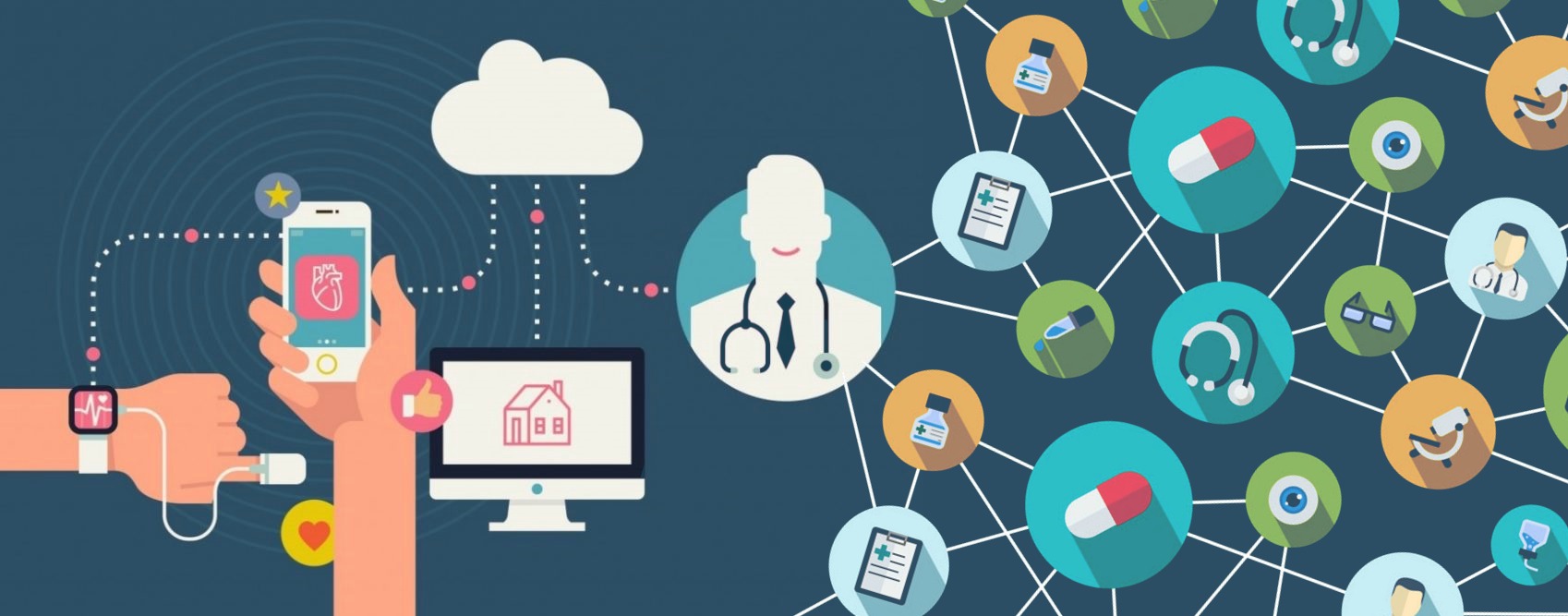
An information system for hospitals is a set of programs specifically designed to manage healthcare information. It serves as a central database that stores all information about patients, doctors, and other staff members is recorded and stored.
Healthcare professionals can detect problems rapidly by examining patients’ health records whenever they can. It also includes systems that manage data related to operations management or healthcare policy choices. Since the hospital’s information system handles an enormous amount of sensitive information, security is the top priority. Let’s have a look.
Top 7 Hospital Information Systems (HIS) in 2024
SoftClinic GenX
SoftClinic GenX is another top hospital information system that takes care of your entire hospital management without any paperwork. This end-to-end open-source hospital information management system is currently being used in more than 25 countries by 20,000+ physicians! It has become one of the most preferred choices for hospitals, clinics, physicians, and nursing homes because it enables them to run their practices smoothly, effortlessly, and without any hassles. It has a wide range of modules covering laboratory, pharmacy, HR, OPD, IPD, appointment, radiology, inventory, financial accounting, etc. A key reason why it has become immensely popular throughout the world is because it provides a user interface in different languages and users can easily switch from one language to another with just a single click. It is undoubtedly one of the best systems to manage the administrative, financial, and clinical aspects of a hospital.
Top Features:
- Electronic Medical Records – SoftClinic GenX offers electronic storing and recording of all medical records, thus, eliminating the need for cumbersome paperwork and also reducing the risk of missing paper reports.
- Doctor Schedule & Appointments – With this software, patients can easily book appointments online and also quickly schedule their follow-up appointments. Doctors and administrative staff can also use this feature to view all the doctor schedules and appointment son daily, weekly, and monthly basis.
- Patient Management System – The patient management module can be used to quickly input the patient’s details and access all the information related to the patient in one place. The patient demographical details can be added with their photos and the patient information can be entered in regional languages as well. It also enables family-wise patient records management.
- Accounting – The accounting module covers various aspects right from providing treatment estimation to billing, vouchers entry, 3C register and income & expenses register.
- Data Analysis Module – It offers advanced data analytics and more than 100 predefined reports and certificates.
Pros:
- One of the key advantages of SoftClinic GenX is its multi-language feature. The regional language facility makes it really easy to provide the prescriptions and other related advice in the patient’s regional language.
- It has a very interactive, simple, and easy-to-use user interface. All the features can be easily accessed from the main screen.
- It offers excellent and reliable technical support.
- It has advanced features like fingerprint scan identification system, barcoded reporting system, auto notification and SMS alerts, etc., which makes the software all the easier to use.
- It offers HIPPA compliant cloud backup.
Cons:
- Proper training materials are not available which may make it difficult for some users to understand and operate the software.
- The advanced accounting features are not very user-friendly.
- There is no pop-up function to alert users about important activities, such as ready lab reports, etc.
- Customization can sometimes be troublesome.
Price:
SoftClinic GenX offers custom pricing, and more pricing information is available on request from the vendor.
ProMed

Next in our list of top seven hospital information systems is ProMed, another top-notch software suitable for use by multi-specialty hospitals, clinics and laboratories. ProMed’s infrastructure is highly scalable which makes it easily customizable for any process as needed. The ProMed Application Suit which consists of ProMed, DoctAssist, MIRepo, and LabNetX enable hospitals and clinics to streamline their processes while providing enhanced experience for patients and caregivers. The software’s wide range of features allows healthcare providers to offer better care, minimize health and safety risks, improve patient inputs and better manage resource utilization. It is also available as a mobile app for Android and iOS, thus, making it easier for patients to perform a wide range of functionalities.
Top Features:
- Appointment Scheduling – ProMed enables patients to easily self-register and take care of all booking-related activities, such as booking regular face-to-face appointments, booking telemedicine appointments, etc.
- In-patient Management System – ProMed offers an impressive in-patient management system which enables the hospitals and clinics to minimize risks while taking care of the patients, and it also offers bedside worksheets which makes it easier for the professionals to take vital recordings and store them digitally, prepare vital charts based on the recordings, etc.
- Purchase, Inventory Management & Consumption Tracking – Hospitals and clinics can stay on top of all their purchases and inventory management by tracking them with the help of ProMed.
- Security System – ProMed offers top-notch security system that ensure proper safeguard of all your patient and hospital information.
- Notification & Messaging – ProMed’s has a comprehensive notification and messaging module which comprises of automated notifications and messages via email, SMS, and WhatsApp, notification of the investigation reports to the patients, daily digest message for doctors, appointment reminders for patients, and more.
Pros:
- ProMed is highly scalable which allows hospitals and clinics to easily handle increased users and data as their businesses scale new heights.
- It offers a fully automated insurance workflow which further streamlines the entire process efficiently.
- It has an intuitive and rich interface making it really quite easy to use and navigate by the users.
- The settlement reports offer thorough details, and the accounting module also makes it easy to handle all account-related tasks.
Cons:
- ProMed does not offer any free trial and the paid versions may not be budget-friendly for small businesses.
- The pharmacy module has been reported to be quite confusing for many and requires several improvements to enhance its functionality.
- Compared to some of the other software in this category, ProMed has limited features, thus restricting certain capabilities.
Price:
ProMed offers custom pricing, an
HIMS HospiLogix
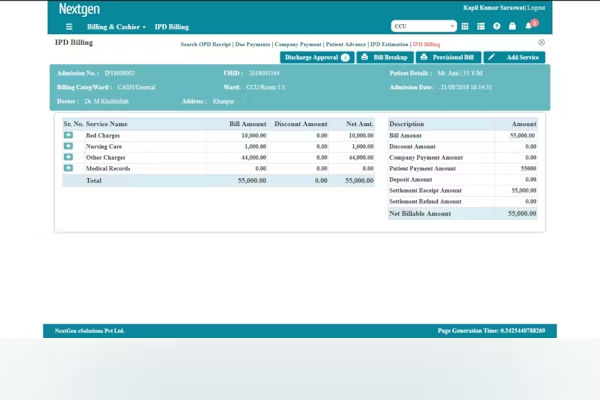
The hospital management software comes with over 40 modules that can aid healthcare professionals in simplifying and automating their work and achieving economic growth. It has a variety of features related to healthcare at various costs. Hospitals can select the required modules that meet their requirements and pay according to their needs. Each of the HIMS HospiLogix products provides different options, including the ability to access mobile applications via mobile devices and accounting, inventory management, and more. One of its most frequently-used solutions can be HIMS HospiLogix4C+ which includes apps designed for iOS and Android devices. HIMS HospiLogix’s hospital software assists you in managing the finances of your patients, collecting patient data according to HIPAA regulations, modifying permission settings, etc.
Top Features:
- Patient Management: Efficiently handle patient registrations, admissions, and discharge.
- Billing Integration: Seamlessly manage billing, insurance claims, and payment tracking.
- Inventory Control: Track and manage medical supplies and pharmaceuticals.
- Electronic Medical Records (EMR): Digitize patient health records for secure access and updates.
- Reporting and Analytics: Generate insightful reports for operational efficiency and decision-making.
Pros:
- Comprehensive Hospital Information Management System (HIMS) tailored for healthcare institutions.
- Offers modules for various functions including patient management, billing, inventory, and electronic medical records (EMR).
- Customizable to suit specific workflow and operational requirements of different healthcare facilities.
- Integration capabilities with other healthcare systems and devices for seamless data exchange.
- Provides detailed analytics and reporting features for informed decision-making and performance monitoring.
Cons:
- Initial implementation and customization may require significant time and resources.
- User interface and experience may vary, potentially requiring training for staff adoption.
- Ongoing maintenance and support costs may add up over time.
- Compatibility issues may arise with certain hardware or software configurations.
- Depending on the scale of the institution, scalability may be a consideration for future expansion or growth.
Price:
Basic $5000, Pricing Model: Per User, Payment Frequency: One Time
MMI Mediface HMS
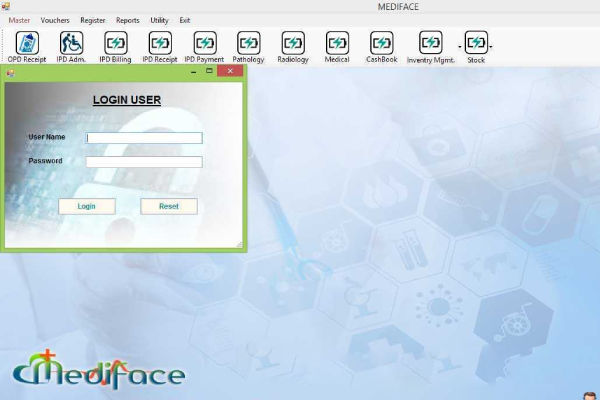
It is a cloud-based hospital management platform that allows healthcare providers to save patient data and run their operations in an automated way. MMI Mediface HMS has nine healthcare modules, including essential features such as appointment scheduling, billing, and so on. as well as more advanced features such as business intelligence. The hospital software is essential in discussions about user data and analytics reports. It allows you to view the performance of your system and make necessary adjustments within it. Hospitals can access quarterly, monthly, or annual accounts at the press of a button and review the tasks that have been completed and those that are pending promptly.
Top Features:
- Comprehensive Functionality: Offers a wide range of modules for patient management, billing, pharmacy, and inventory.
- User-Friendly Interface: Intuitive design for easy navigation and usage by healthcare professionals.
- Scalability: Suitable for small clinics and large hospitals, with options for expansion.
- Integration Capabilities: Seamless integration with third-party systems for data exchange.
- Customization Options: Tailor the system to meet specific workflow and organizational needs.
Pros:
- Comprehensive functionality covering various aspects of healthcare management.
- User-friendly interface, facilitating ease of use for staff.
- Scalable to accommodate both small clinics and large hospitals.
- Integration capabilities with third-party systems for seamless data exchange.
- Customization options to adapt to specific workflows and needs.
- Ongoing support and updates for system maintenance.
Cons:
- Initial setup and licensing costs can be significant.
- Implementation may be time-consuming and disruptive.
- Requires suitable hardware and infrastructure.
- Potential vendor lock-in due to complexities of switching systems.
- Customization may require specialized expertise and incur additional costs.
Price:
MMI Mediface HMS can vary based on factors such as the size of the healthcare institution, the modules and features required, customization needs, and ongoing support and maintenance services.
Aarogya
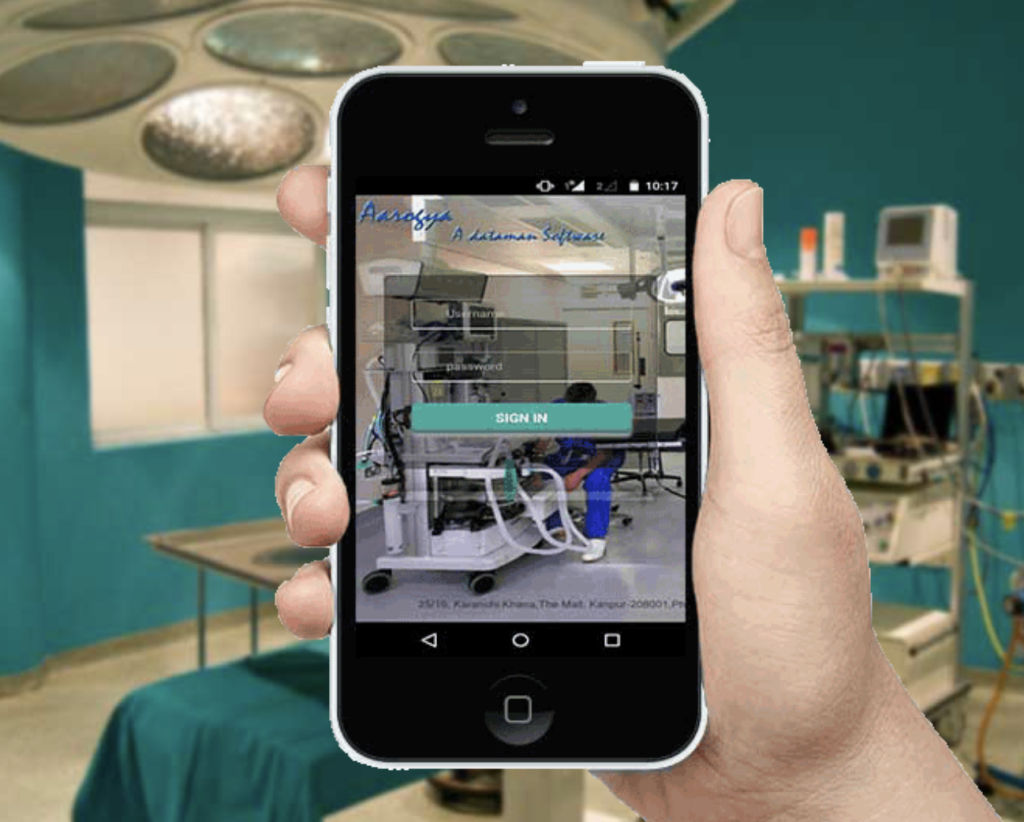
Aarogya’s hospital management software provides healthcare IT solutions for all healthcare providers. Its primary focus areas are EHR and patient care, billing clinical applications, and more. There are various options, including PIS Lab solutions, patient portals, and many more!
The hospital software costs $50 per month for a basic plan and goes up to $1,000 when you add advanced features. It is therefore suited to the budgets of every health professional and offers them reliable software that can handle 200 users. Your administrator’s medical staff, nurses visiting physicians, and visiting practitioners. You can access your account from any place in the world to manage the hospital’s operations remotely. But, you should limit users to ensure data security and privacy.
- Healthcare Accessibility: Provides easy access to healthcare services, especially in underserved or remote areas.
- Affordability: Offers low-cost or free healthcare services, making it accessible to low-income individuals and families.
- Health Monitoring: Includes features for health tracking and monitoring, promoting preventive healthcare practices.
- Government Support: Often backed by government initiatives, ensuring reliable infrastructure and resources.
- Digital Health Records: Facilitates the creation and management of digital health records, improving efficiency and accuracy in healthcare delivery.
Pros:
- Aarogya provides easy access to healthcare services, especially in remote or underserved areas.
- It offers healthcare services at low or no cost, making it accessible to low-income individuals and families.
- Aarogya includes features for health monitoring and tracking, promoting preventive healthcare.
- Often backed by government initiatives, ensuring reliable infrastructure and resources.
- Facilitates the creation and management of digital health records, improving efficiency and accuracy in healthcare delivery.
Cons:
- Data security and privacy issues may arise due to the collection and storage of sensitive health information.
- Accessibility may be limited by the requirement for users to be proficient in using digital devices and applications.
- The availability of reliable internet connectivity and access to digital devices can be barriers in some areas.
- Over-reliance on technology may overlook the importance of traditional healthcare practices and personal interactions with healthcare providers.
- Regular maintenance and updates of the platform are essential to ensure its effectiveness and security, which can be resource-intensive.
Pricing:
For small nursing homes with up to 3 users, the one-time license fee is around INR 3.75 lakhs or US$8350.
MyNapier
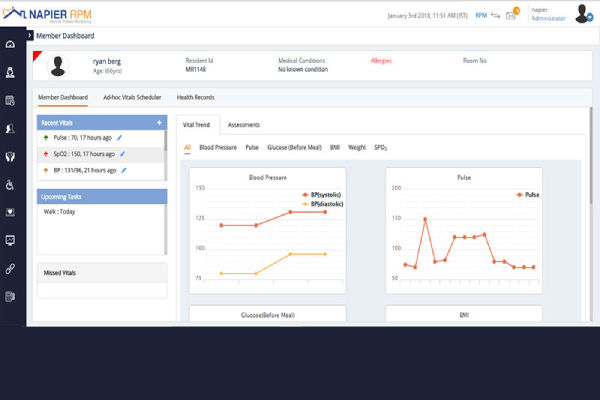
MyNapier is an online hospital management application with various advanced features to streamline routine tasks and marketing efforts. The software is widely known for its customization since it makes the program versatile enough to accommodate the requirements of every healthcare institution.
MyNapier is among the most effective hospital management applications that allow doctors to track their patient’s treatment and responses from the beginning. It lets them determine whether an individual referred the patient to the hospital or if it was a lead generated by marketing.
Top Features:
- Comprehensive Functionality: Offers a wide range of modules for student management, course administration, assessment tracking, and more.
- User-Friendly Interface: Intuitive design for easy navigation and usage by students, faculty, and administrators.
- Scalability: Suitable for institutions of various sizes, with options for expansion as needed.
- Integration Capabilities: Allows integration with other systems and platforms, facilitating data exchange.
- Customization Options: Tailor the system to meet specific educational workflows and organizational needs.
Pros:
- MyNapier typically features an intuitive and user-friendly interface, making it easy for users to navigate and utilize its functionalities.
- It offers a wide range of features, including modules for student management, course administration, assessment tracking, and more, providing a holistic solution for educational institutions.
- MyNapier often allows for customization to adapt to the specific needs and workflows of different educational institutions.
- It may offer integration with other systems and platforms, facilitating seamless data exchange and interoperability.
- Typically comes with ongoing support and updates, ensuring the system remains secure and up-to-date.
Cons:
- Initial setup costs and ongoing licensing fees can be significant, especially for smaller educational institutions.
- Like many comprehensive education management systems, implementation can be time-consuming and may disrupt existing workflows during the transition period.
- Requires suitable hardware and infrastructure, potentially leading to additional expenses for some institutions.
- Institutions may face challenges if the vendor discontinues support or if there are compatibility issues with future updates or changes in technology.
- Training may be necessary for staff and faculty to fully utilize the system’s features, which could require additional resources and time.
Pricing:
MyNapier price information available on request with the vendor.
eHospital Systems
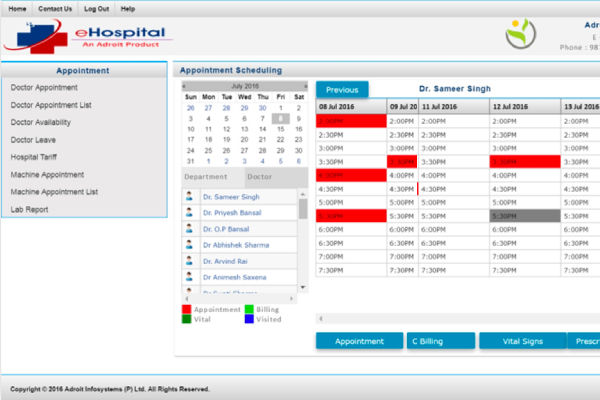
eHospital Systems is a diverse healthcare management system that can be used by all medical institutions that range from small clinics for doctors to hospitals of a large size. It lets users select cloud-based SaaS or web-based deployment options based on their preferences and needs. If you need more time, hospitals can take advantage of the trial period for free to see the best installation method for their business. This eHospital Systems hospital management software integrates an intelligence system for business and utilizes an HL7 interface.
Top Features:
- Improved & patient-centric workflows and less paperwork required.
- Instant information retrieval, Least workforce requirements, and compatible with all devices, hence information is available anytime, anywhere, on any device.
- DICOM images and laboratory machines Integration.
- Online claims processing for cashless patients becomes much easier with the use of eClaims.
- Web Portals provide services such as online appointment scheduling, patient lab /visits reports view.
- Dedicated real-time customer support and User-friendly Interface.
- Easy access to doctor’s data to generate varied records, including classification based on demographics, gender, age, and so on. It is especially beneficial at the ambulatory (out-patient) point, hence enhancing continuity of care. As well as, Internet-based access improves the ability to remotely access such data.
- It helps as a decision support system for the hospital authorities for developing comprehensive health care policies.
Pros:
- Streamlines hospital operations by digitizing patient records, appointment scheduling, billing, and inventory management.
- Provides easy access to patient information and medical records for healthcare professionals, improving decision-making and patient care.
- Reduces paperwork and administrative tasks, leading to cost savings in terms of time and resources.
- Can integrate with other healthcare systems and devices, facilitating data exchange and interoperability.
- Offers features such as online appointment booking and access to personal health records, enhancing patient engagement and satisfaction.
Cons:
- Implementation and setup costs can be high, especially for smaller healthcare facilities.
- Staff may require training to effectively use the system, which can be time-consuming and costly.
- Requires robust measures to ensure the security and privacy of patient information, especially in light of increasing cyber threats.
- Like any digital system, eHospital systems may encounter technical glitches or downtime, impacting workflow and patient care.
- Customizing the system to fit specific hospital workflows and requirements may be complex and require specialized expertise.
Pricing:
$500.00 per month
Components of Hospital Information Systems
The HIS of a hospital is a collection of specific sub-systems, each of which can handle different aspects of healthcare administration.
The principal components of HIS can be broken down into are:
- Core Management: The central hospital’s system or management software is an autonomous and cloud-based framework for medical administration. The system can capture and integrate the daily activities of every department within the hospital system.
- Finance Software: Chief Financial Officers and the ones responsible for revenue cycle management execute their leadership and strategic planning via this software component. SaaS accounting and financial management software typically connect to create the overall Financial Management System. Monitoring the health company’s revenue cycle can boost the bottom line and free up resources to invest in more value-adding operations.
- Personnel/ERP: Employee and patient management tools are designed to support the management of personnel capabilities of HIS. These systems allow for transparent information, resource management, and scheduling between medical personnel across multiple departments and facilities. As a whole, the leading providers of ERP systems are proactively assessing the possibility of healthcare as a new and rapidly expanding market.
- Medical documentation: The EHR and EMR systems keep track of patients’ appointments, notes on care, and financial records. An appropriate documentation framework must be put in place within the HIS overall. This will ensure that all documents are crucial, such as the patient’s records, personnel information and inventory records, hospital financials, and more. They are stored on secure, encrypted portals that have proper access controls.
- Asset tracking: The tracking of assets or medical inventory management systems allows hospital personnel to track inventory throughout the inventory lifecycle from purchase through compensation. If an item in the list, surgical or pharmaceutical equipment, is nearing the point of expiring, it could be replenished or brought to fill. This is a way to ensure that the most effective practices are adhered to regarding inventory maintenance.
Why do you need a Hospital Management System?
A cost-effective, efficient, and reliable solution is essential and is considered a healthcare or hospital’s mainstay. One of the items on the list is software for the hospital information system.
Let’s examine the importance of a Hospital Management System below.
- Improved data security
- The best method to make your hospital more technologically modern
- Management of higher revenue
- Reduce mistakes and check every detail immediately.
- Clinical decision-making that is more effective
- Better reputation due to good quality ratings
As technology develops, hospital information systems must be adaptable to accommodate development. Furthermore, the hospital’s information system requires that data be stored securely and securely when it comes to its use. It allows quick and simple data access and restricts unauthorized users’ access under certain conditions.
Popular Hospital Management Software to Use
| S.No | Software | Best for |
|---|---|---|
| 1 | HIMS HospiLogix | Hospital Management |
| 2 | MMI Mediface HMS | Medical Facility Management |
| 3 | Aarogya | Healthcare Management |
| 4 | MyNapier | Hospital Management |
| 5 | eHospital Systems | Hospital Management |
FAQs
- What is a Hospital Information System (HIS)?
- A Hospital Information System (HIS) is a comprehensive, integrated software solution designed to manage all aspects of hospital operations, including patient data management, electronic health records (EHR), billing, scheduling, inventory management, and more.
- What are the primary benefits of implementing an HIS in a hospital?
- Implementing an HIS can lead to improved efficiency, better patient care coordination, enhanced data accuracy and accessibility, streamlined workflows, reduced paperwork, and increased revenue through better billing and coding practices.
- What key features should I look for in a modern HIS?
- Modern HIS systems typically offer features such as electronic health records (EHR), patient scheduling, billing and revenue cycle management, clinical decision support, interoperability with other healthcare systems, mobile access, and advanced analytics capabilities.
